When buying or selling a house, the goal is always to get your money’s worth, or more. For this to happen you must first determine the overall condition of the property you’re intending to buy or sell. Undertaking a professional pre-purchase building and pest inspection can help you get a better understanding of the property’s worth, and make sure you don’t end up with a complete dud.
Important Information About Timber Pests
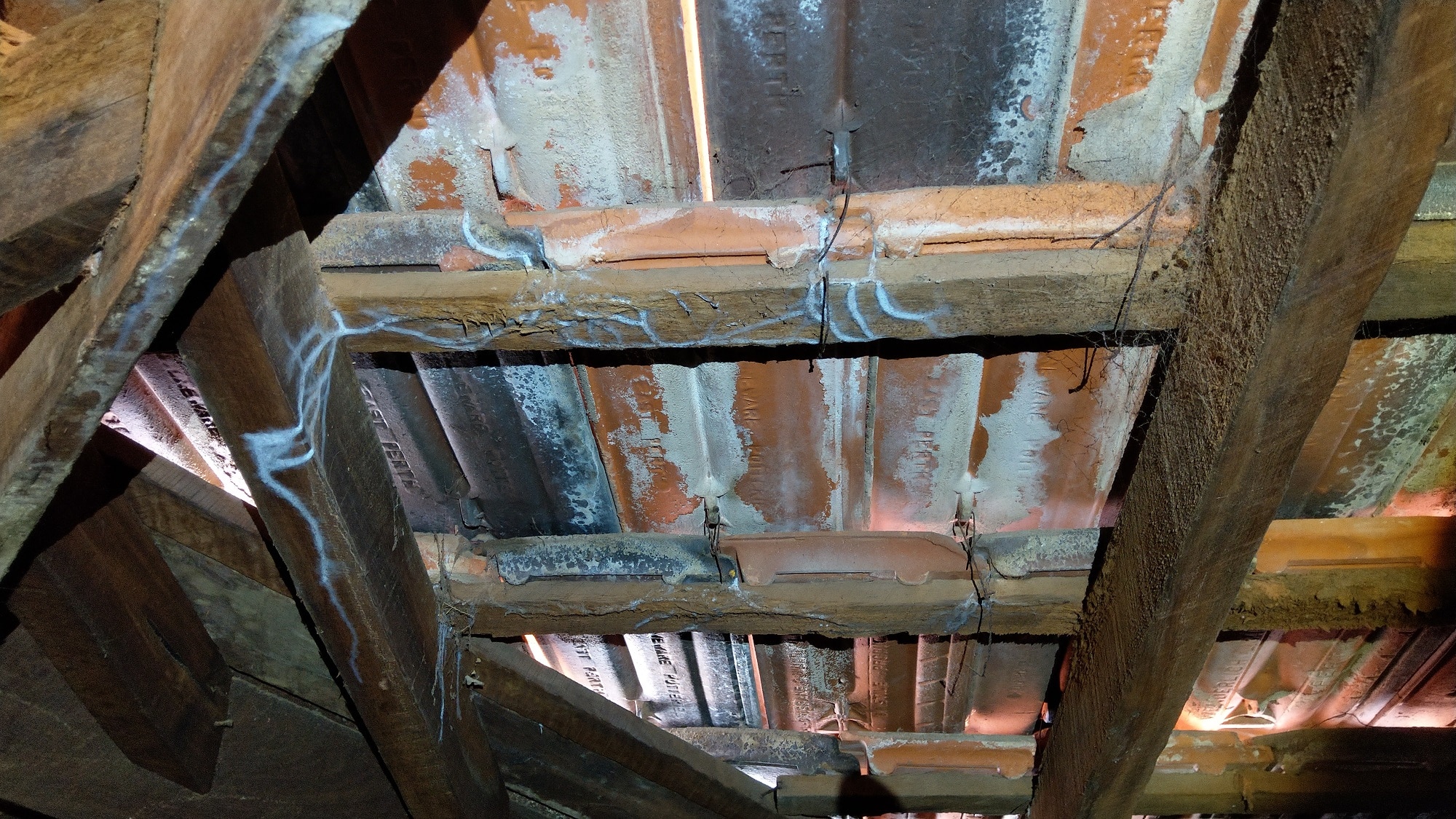
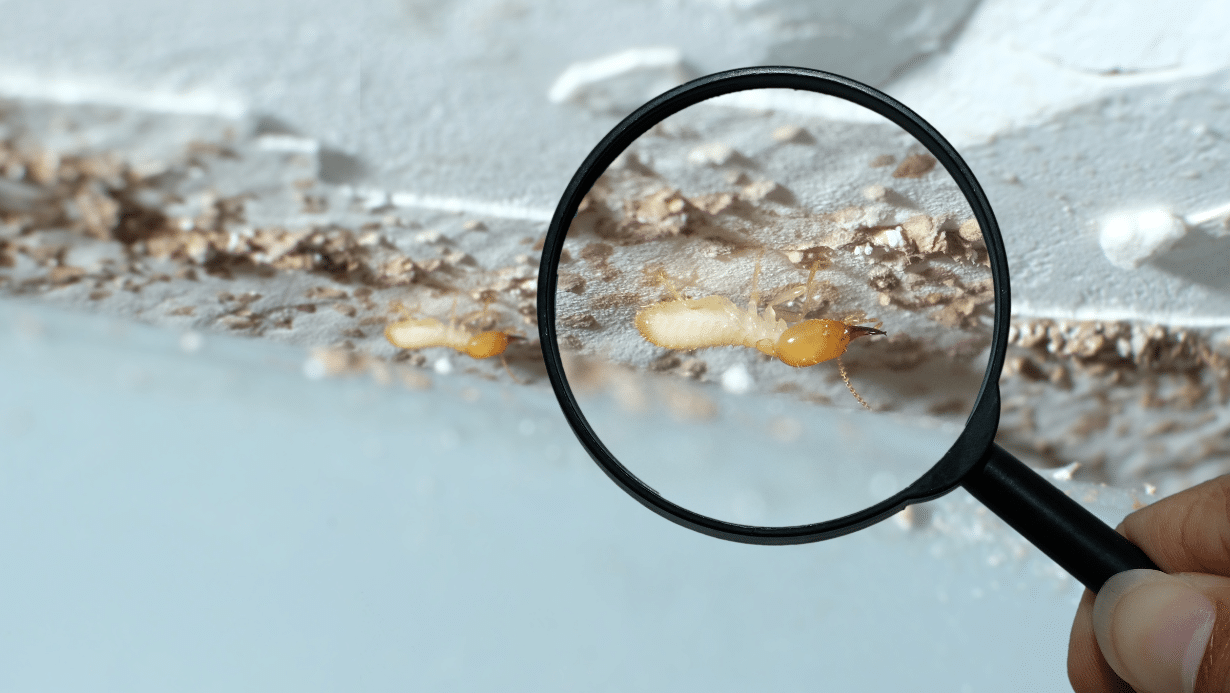
Timber pests like termites, bores, and decay fungi attack timbers and other wooden parts of your house, feeding off them from within and leaving no surface signs. When left untreated, the attacks can greatly affect the structural soundness of your property.
If you want to keep your property in top shape and highly valuable for resale, it’s important to learn to read the signs of early infestation, and how to prevent it altogether.
Make your contract subject to a Building Inspection.
The WA Department of Commerce recommends that you make one of your contract conditions subject to a Building Inspection
Continue reading “Make your contract subject to a Building Inspection.”
Maintenance Tips for New Homeowners
Congratulations on your new home purchase! Now begins the crucial task of ensuring its safety and longevity.
Once you’ve reviewed the pre-purchase building inspection report and finalised the purchase of your property, it’s vital to not only address its recommendations but also establish a routine home maintenance plan. Your building inspector stressed the importance of resolving structural and pest issues, but regular maintenance tasks are just as essential in safeguarding your investment and avoiding expensive repairs.
Why You Should Have A Moisture & Mould Inspection
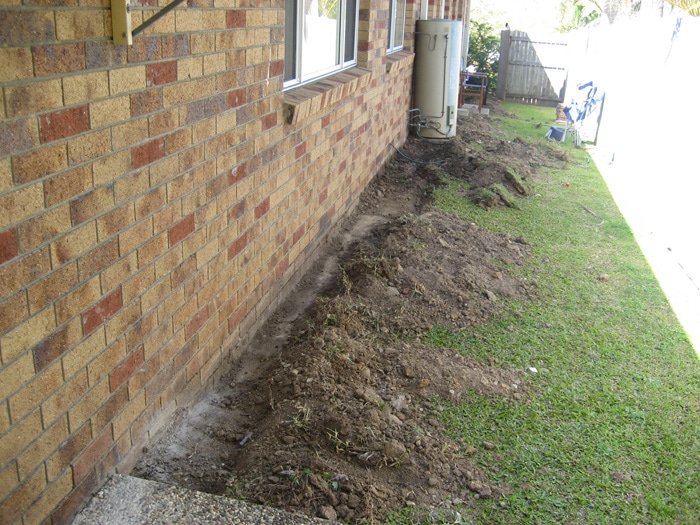
It has been an exceptionally wet year so far. Thanks to La Niña, the Australian summer has produced above average rainfall across the country. All the extra rain causes moisture to persist for longer in the air and in the ground which can cause problems for homeowners.
Continue reading “Why You Should Have A Moisture & Mould Inspection”
Understanding Building & Pest Clauses in Queensland Property Contracts
General information only. Not legal advice. Seek independent legal advice before acting under a building and pest clause.
Quick Summary
The building and pest clause gives you a fixed window, usually 10 business days, to have a property inspected after signing a contract. If the findings are serious enough, you can exit with your deposit back. Auction sales are an exception: the clause does not apply there, and there is no cooling-off period.
Continue reading “Understanding Building & Pest Clauses in Queensland Property Contracts”
Termite & Pest Inspections
Our Termite and Pest Inspections are carried out by fully licenced and qualified inspectors who will thoroughly check the property for pests and termite damage.
Dilapidation Reports in Construction
The construction boom is transforming Australian cities, but with progress comes potential risk. Nearby construction projects, with their heavy machinery and constant activity, can threaten neighbouring properties.
Fortunately, there’s a powerful tool available to provide evidence if there is any dispute over potential damage : the dilapidation report.
6 Things to Check in an Open Home (Plus Extra Tips)
Continue reading “6 Things to Check in an Open Home (Plus Extra Tips)”Real estate agents often come across prospective property buyers checking strange things when they look at a home on the market.
Pre-Settlement Inspections: What Are They and Why Are They Important?
Before finalising the purchase of a property, it is crucial to conduct a pre-settlement inspection. This inspection ensures that the property is in the expected condition. By thoroughly examining the property before settlement, buyers can verify that any agreed-upon repairs and conditions have been met.
In this article, we will discuss the importance of pre-settlement inspections and provide a comprehensive checklist of things to look out for during the inspection.
Continue reading “Pre-Settlement Inspections: What Are They and Why Are They Important?”