building inspection audit stroud homes

How To Pass Your Building Inspection

Worried about an upcoming building inspection and wondering how to “pass”? In most cases, building inspections aren’t a pass/fail test. Instead, a licensed inspector identifies defects, safety hazards, and maintenance issues that could affect the property’s condition, value, or buyer confidence.

The best way to “pass” a building inspection is to reduce avoidable issues: make the property accessible, fix simple defects, address safety risks, and have documentation ready. This guide explains what a building inspection covers, why it matters to buyers, and how to prepare your property so the inspection runs smoothly and the report reflects the home at its best.

Continue reading “How To Pass Your Building Inspection”

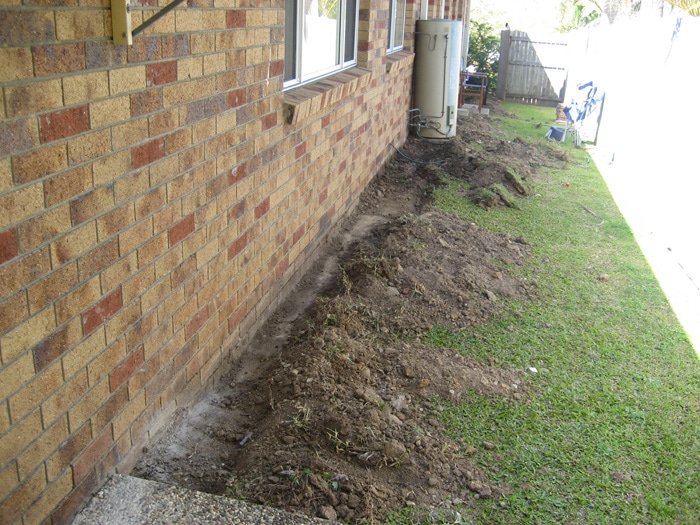
subfloor void

Common Defects Found in Subfloors (and how to fix them)

Soft or uneven floors, squeaking boards, or a musty smell can all point to problems beneath your home. The subfloor plays a critical role in supporting the structure above it, and when defects develop, they can lead to safety risks, costly repairs and long-term damage.

Common subfloor defects include termites, moisture issues, poor ventilation, movement and structural deterioration. Because this area is hidden from view, problems often go unnoticed until they become severe.

In this guide, we explain what the subfloor and subfloor void are, why inspectors need access to this area, and the most common subfloor defects — including how to identify, fix and prevent them.

Continue reading “Common Defects Found in Subfloors (and how to fix them)”
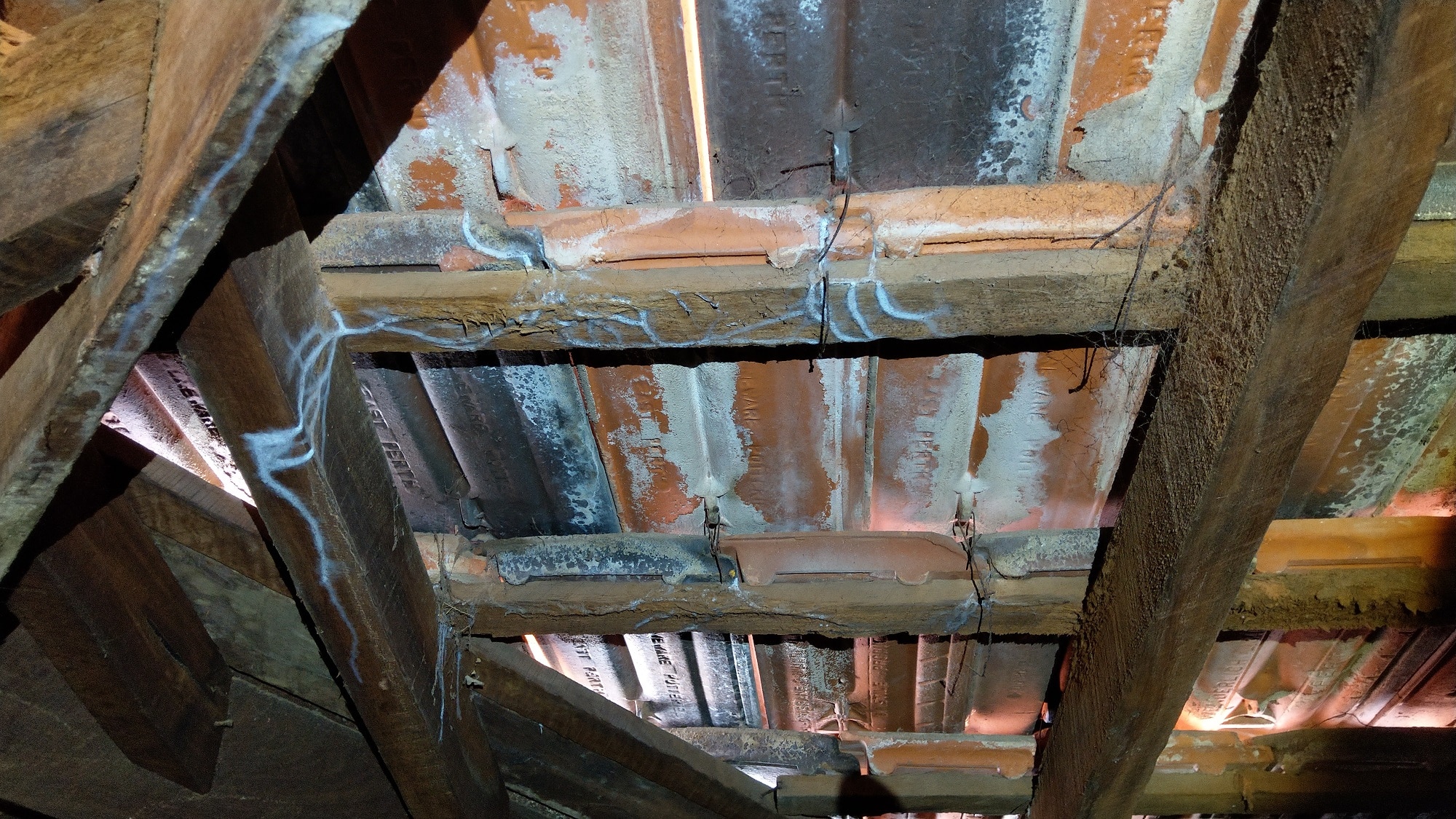
Termite Inspection.

The Importance of Regular Termite Inspections for Homeowners

Termites cause millions of dollars in damage to Australian homes every year. Is your home at risk?

While most buyers know to book a pre-purchase termite inspection, many homeowners don’t realise that regular termite inspections are just as essential. These silent destroyers can live undetected in your home, quietly eating away at timber structures and leaving behind thousands of dollars in damage.

Continue reading “The Importance of Regular Termite Inspections for Homeowners”
New home inspection

Do I Need A Building Inspection On A New Property?

When buying a brand-new home, many buyers assume that “new” automatically means “perfect.” There is no wear and tear, no previous owners, and everything looks fresh. Many buyers believe that if the house has passed council inspections, there is nothing to worry about.

The reality is very different. Even newly built homes can have defects, some obvious, some hidden, and some that may only become apparent months or years after moving in. From minor cosmetic flaws to serious structural problems, issues can arise due to rushed workmanship, substandard materials, or oversight during construction.

Continue reading “Do I Need A Building Inspection On A New Property?”
Building inspection in Brisbane

What Does A Building Inspection Cover?

Why Building Inspection Scope Matters

A building inspection is a visual assessment of a property’s condition, structure, and major systems carried out by a licensed building inspector. Often part of a pre-purchase building and pest inspection, it helps identify existing defects, potential future issues, and provides buyers with a clear understanding before buying a property.

Continue reading “What Does A Building Inspection Cover?”

Understanding Your Building Inspection Report: A Step-by-Step Guide

Including Inclusions, Exclusions and Limitations in Accordance with Australian Standard (AS 4349.1)

A building inspection report is an essential tool for anyone buying, selling, or maintaining a residential property in Australia. It can reveal hidden issues such as water damage, termite infestation, or structural defects that may affect safety, value, or compliance with building standards.

This guide explains how to understand a Standard Property Inspection Report under AS 4349.1, including what is covered, what is excluded, and key limitations. You will also learn how to read your report, interpret inspection outcomes, and use the findings for informed decision-making, ongoing maintenance, or specialist inspections.For an overview of the inspection process, visit our Building Inspections page.

Continue reading “Understanding Your Building Inspection Report: A Step-by-Step Guide”
Retaining wall

Retaining Wall Failure: The Essential Guide for Australian Homeowners and Buyers

A retaining wall might seem like a simple backyard fixture, but it holds back more than just soil; it holds back significant liability. 

Retaining walls are a common feature in Australian homes, especially in hilly suburbs, coastal regions, and new subdivisions where blocks are often tiered to maximise usable land.

But when they fail, the consequences can be severe, ranging from soil collapse and structural instability to costly legal disputes with neighbours. That’s why identifying the early warning signs and understanding the causes of retaining wall failure is crucial, particularly if you’re buying a property.

If you are unsure of the integrity of your retaining wall, book in for a building inspection today.

Continue reading “Retaining Wall Failure: The Essential Guide for Australian Homeowners and Buyers”
termite inspector during inspection

Which Termite Treatment Is the Most Effective?

Termites, which are often called “silent destroyers”, are pests that can infest your home and cause devastating damage. If these house pests are feasting on your property, don’t expect them to leave voluntarily. Instead, get a termite treatment right away so you can prevent your property from further damage and save you money from more expensive repairs.

Continue reading “Which Termite Treatment Is the Most Effective?”
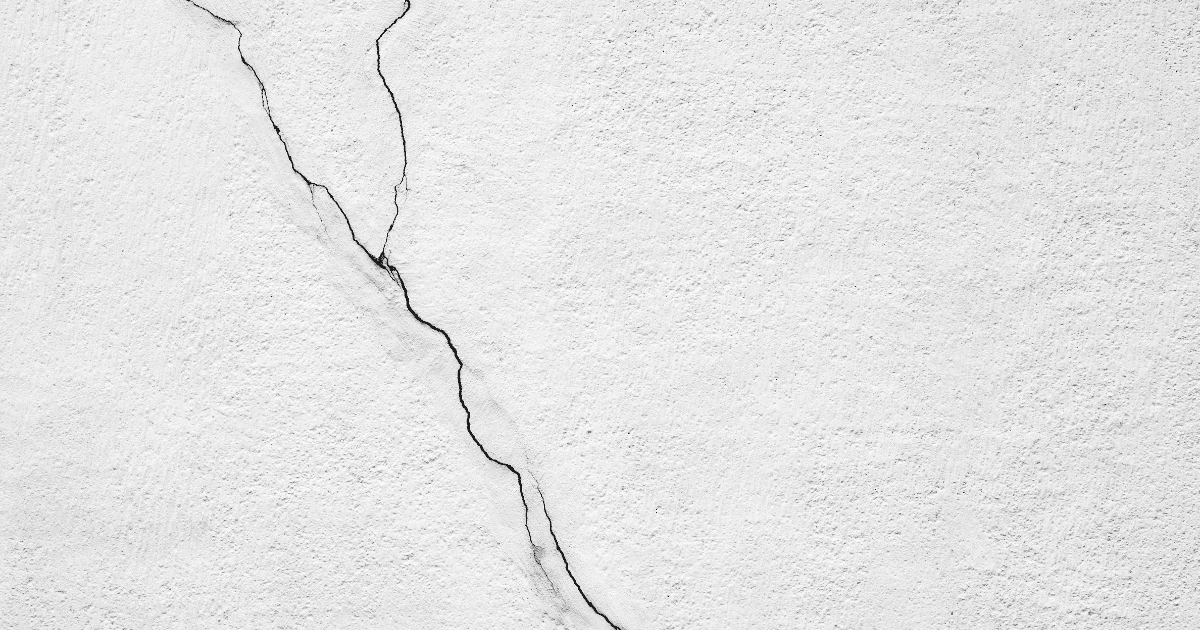
crack on the outter wall of a house

How to Identify Minor and Major Structural Defects at Your Property

The best way to identify minor and major structural defects in a property is to get an inspection completed by a professional building inspector.

A building inspection can help assure you that you’re putting your money in the right place and give you peace of mind that there are no safety issues to worry about.

It will effectively assist you in identifying any major or minor defects in the building, and whether or not it will be worth your while.

Continue reading “How to Identify Minor and Major Structural Defects at Your Property”