Sunshine Coast Architecture

What Can Make a Property Uninsurable

If you’ve ever bought a property in Australia, you’ve likely arranged home insurance before settlement. For some buyers, that’s when unexpected issues surface. An insurer may decline cover or offer a policy with significant exclusions, leaving buyers questioning why the property is considered uninsurable and whether the inspection report is to blame.

The truth is, not every defect makes a home uninsurable. Insurers make their own decisions based on risk, but building and pest inspections often identify the kinds of issues that influence those decisions. This helps buyers better understand potential risks before moving ahead with the purchase. Continue reading “What Can Make a Property Uninsurable”

Are Annual Inspections Important

What Is a Pre-Handover Inspection and What Does It Cover?

It is an exciting milestone when your builder advises that the home is ready for handover. But your opportunity to have defects rectified at the builder’s cost becomes much more limited once you sign off and make the final payment.

A pre-handover inspection, also called a Practical Completion Inspection (PCI), is the most important step you can take before collecting the keys to a new build.

This article explains what a pre-handover inspection involves, when to book it, what the inspector looks for, and what you should know before going in. Continue reading “What Is a Pre-Handover Inspection and What Does It Cover?”

Brisbane’s Olympic Property Boom: Why Building Inspections Matter More Than Ever

Why Does Brisbane’s Property Boom Make a Building Inspection More Important?

Because competition and rapid price growth are exactly the conditions that tempt buyers to skip due diligence. That is when an inspection matters most. A building and pest inspection helps you avoid costly surprises and gives you the confidence to proceed, or the information to negotiate. Continue reading “Brisbane’s Olympic Property Boom: Why Building Inspections Matter More Than Ever”

Settlement Cracks vs Structural Cracks: How to Tell the Difference

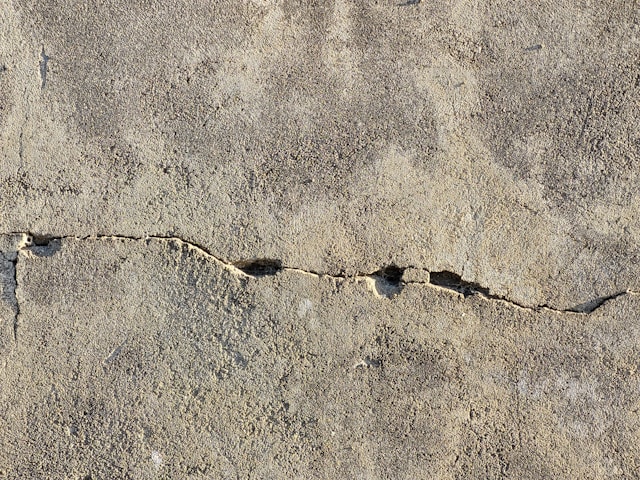
You spot a crack in the wall, and the first question is usually the same: is it just normal settlement, or could it be a sign of something more serious? Cracks show up in almost every home at some point, but they don’t all mean the same thing, and knowing when to worry about cracks in walls isn’t always obvious at a glance. Continue reading “Settlement Cracks vs Structural Cracks: How to Tell the Difference”

Buying in Brisbane’s Growth Corridors? Here’s What to Check Before You Commit

Buying in Brisbane’s growth corridors can offer genuine value, but each area also comes with its own inspection considerations. Ipswich, Logan, Moreton Bay and Redlands combine older housing stock, flood-prone pockets and rapidly expanding new estates, which is why knowing what to check matters. 

A professional building and pest inspection, or a handover inspection for a new build, helps you understand exactly what you’re buying before you commit. Continue reading “Buying in Brisbane’s Growth Corridors? Here’s What to Check Before You Commit”

Couple getting keys from real estate agent

New Build in Brisbane? Why You Need an Independent Handover Inspection

Even certified, brand-new homes in Brisbane can have defects at handover, from waterproofing failures to incomplete or non-compliant work. It is recommended to book an independent handover inspection before settlement, while you still have leverage to get issues fixed before final payment is made.

Continue reading “New Build in Brisbane? Why You Need an Independent Handover Inspection”

Brisbane House

Buying a Queenslander? Here’s What Every Buyer Needs to Know

These homes stop people in the street. The wraparound verandah, the high-set silhouette, the VJ walls, and the louvred windows. Most buyers have made up their mind before they finish the open home.

The same features that make Queenslanders so appealing also make them one of the highest-risk property types to buy without a professional inspection. Age, all-timber construction, an open subfloor, and decades of varied renovations create problems that are not visible on a casual walkthrough.

Continue reading “Buying a Queenslander? Here’s What Every Buyer Needs to Know”

Three Ways to Reduce Your Risk of Termite Infestation

Termites pose a common threat to homeowners on the Sunshine Coast, as they do in many other areas of Queensland. The humid subtropical climate of the region provides the perfect breeding ground for termites, and with over 300 species of termites in Australia, it’s crucial for homeowners to take measures to make their homes termite resistant.

Termite and pest infestations continue to be a major issue for Australian property owners. According to the Australian Environmental Pest Managers Association (AEPMA), termite damage and treatment costs can amount to thousands of dollars per property, with repair costs often becoming significant once structural timber has been affected. Because termite damage is generally not covered by standard home insurance policies, prevention and early detection are extremely important.

Continue reading “Three Ways to Reduce Your Risk of Termite Infestation”

Trench to extenal wall awaiting chemical to be applied to footings

Concrete Slabs & Termite Myths

Termites are one of the most misunderstood pests in Australia, and that misunderstanding costs homeowners dearly. The truth is that no home is automatically safe, and the consequences of getting it wrong can run into the tens of thousands of dollars.

This article busts the most common termite myths, starting with the biggest one of all: that building on a concrete slab protects you from termites.

Continue reading “Concrete Slabs & Termite Myths”

subfloor void

Common Defects Found in Subfloors (and how to fix them)

Soft or uneven floors, squeaking boards, or a musty smell can all point to problems beneath your home. The subfloor plays a critical role in supporting the structure above it, and when defects develop, they can lead to safety risks, costly repairs and long-term damage.

Common subfloor defects include termites, moisture issues, poor ventilation, movement and structural deterioration. Because this area is hidden from view, problems often go unnoticed until they become severe.

In this guide, we explain what the subfloor and subfloor void are, why inspectors need access to this area, and the most common subfloor defects — including how to identify, fix and prevent them.

Continue reading “Common Defects Found in Subfloors (and how to fix them)”