These homes stop people in the street. The wraparound verandah, the high-set silhouette, the VJ walls, and the louvred windows. Most buyers have made up their mind before they finish the open home.
The same features that make Queenslanders so appealing also make them one of the highest-risk property types to buy without a professional inspection. Age, all-timber construction, an open subfloor, and decades of varied renovations create problems that are not visible on a casual walkthrough.
Buyers who skip a formal inspection often learn this the hard way. This guide covers what to look for, what questions to ask, and why a pre-purchase building and pest inspection is non-negotiable.
Key Takeaways
- The same features that make Queenslanders so appealing also make them one of the highest-risk property types to buy without a professional inspection.
- An open home walkthrough will not uncover termite damage, rot under paint, or unapproved structural work.
- A professional building and pest inspection is essential before signing any contract on a high-set timber home.
- Unapproved additions are common and can affect insurance, resale value, and mortgage approval.
- Homes renovated between the 1940s and 1980s may contain asbestos.
Why Buyers Love Queenslanders
The appeal is genuine and well-founded. These homes were designed for the Queensland climate. Wraparound verandahs and louvred windows capture the breeze without air conditioning.
Raised timber construction often handles reactive soils better than concrete slabs, which can crack and shift as clay soils move during dry spells.
Timber homes are also generally easier to modify and extend than double-brick construction, which is one reason pre-war character homes remain popular with renovators. In inner Brisbane suburbs like Paddington, Indooroopilly, and West End, demand for original high-set homes has remained strong.
One thing many buyers do not know: these homes can be physically lifted and relocated to a new block. Relocation is far more common than many buyers realise.
The appeal is real. The risks are too.
Why Older Timber Homes Need a Thorough Inspection
Most high-set timber homes in Queensland were built between the late 1800s and the 1940s, though some date to the 1960s. They sit on timber or concrete stumps with an open subfloor void underneath, and timber runs throughout the whole structure: framing, floors, walls, window frames, and cladding.
Most have also been renovated, sometimes multiple times, by different trades, at different standards, and not always with council sign-off. Enclosed verandahs, lowered subfloors, added rooms, and garages are all common.
None of that shows up during a walkthrough at an open home. Termite activity in the subfloor, rot behind painted timber, structural work that was never approved: these things require a trained inspector and the right equipment. That is what a pre-purchase building and pest inspection provides.
Common Defects Found in Older Timber Homes
These are the issues our inspectors find most often. Some are routine maintenance. Others carry significant cost or safety implications.
Termites and Timber Pests
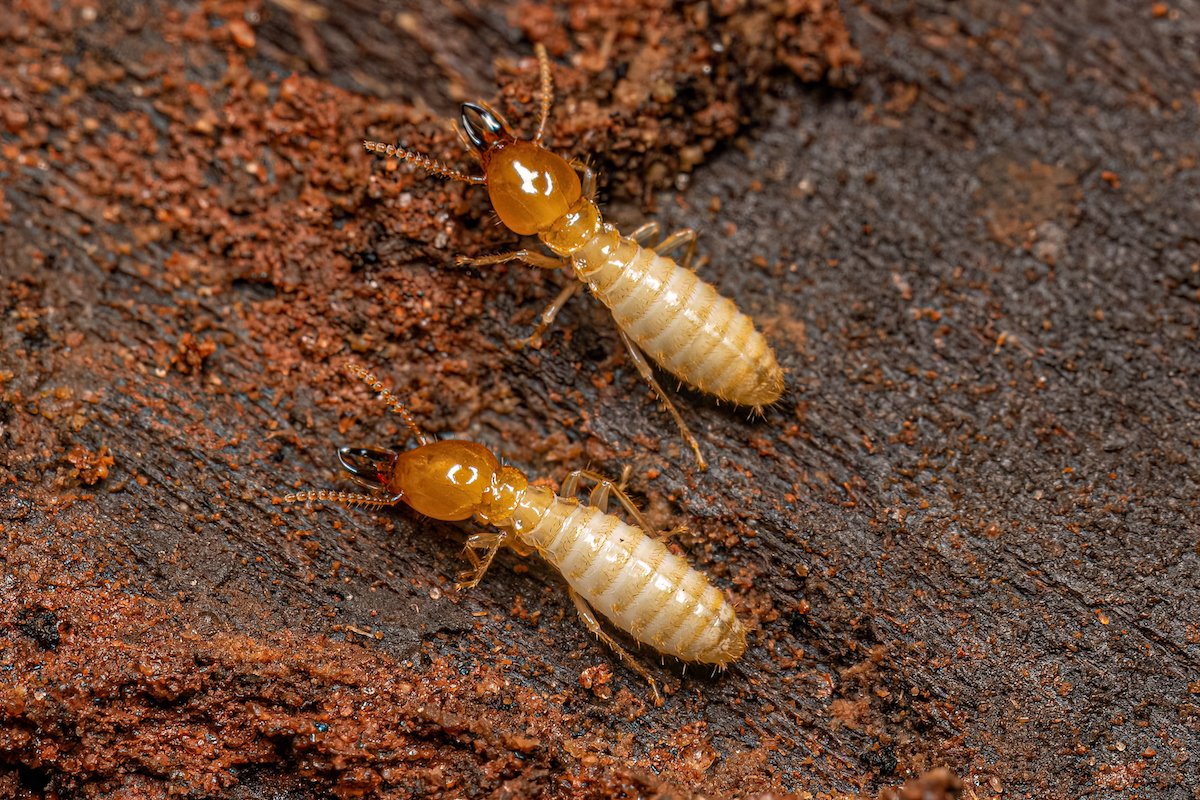
Termites are the single biggest structural risk in a high-set timber home. The open subfloor void gives them direct, concealed access to bearers, floor joists, and wall framing. Visible signs are often absent until the damage is already extensive.
Structural termite damage in older timber homes can run into tens of thousands of dollars once flooring, framing, and verandah structures are affected. Inspectors regularly uncover significant termite damage during pre-purchase inspections of older timber homes across southeast Queensland.
Inspectors check:
- Ant capping on stumps. Is it intact, undamaged, and not bridged by soil or debris?
- Subfloor timbers. Any live termite activity, mud leads, or structural damage?
- Treatment history. Previous treatments expire and may have gaps in coverage.
- Timber condition. Decaying timber is a primary attractant. Rot and termite activity go hand in hand.
Inspect My Home carries out thorough pest and termite inspections as part of combined pre-purchase reports. If termites are found, arrange termite treatment before settlement.
Timber Decay and Rot
Rot is one of the most common findings in pre-war timber homes. It turns up most often on verandah boards, railings, window frames and sills, eave linings, and fascias.
Inspector insight: One of the most common mistakes buyers make is assuming freshly painted timber means the home is well-maintained. In older timber homes, new paint can conceal moisture damage or significant decay underneath. Never judge the condition of external timber by its finish alone.
Bubbling or lifting paint around windows and sills is the most reliable indicator worth probing.
Queensland’s climate is harsh on unprotected timber, and external paintwork typically requires repainting every 10 to 15 years. Build that into your ownership cost estimates.
Subfloor and Stump Issues
Poor ventilation in the subfloor void causes moisture to build up. That moisture accelerates timber decay and creates the conditions termites look for.
Original timber stumps deteriorate over time. They rot, shift, and settle unevenly, causing floors to slope or feel springy underfoot.
Restumping is often done in stages rather than across the whole home, leaving a mix of old timber stumps and newer concrete stumps carrying load at different levels. Full restumping on a high-set home can become a significant expense depending on access, property size, and the condition of the existing structure.
Read more in our article on common defects found in subfloors.
Roof Structure and Roofing
Corrugated iron and terracotta tile roofs are both common on older Queensland homes. Inspectors regularly find sagging roof framing, rusted valleys, deteriorated flashings, and blocked gutters.
A less visible issue is chemical delignification: a process where the cellular structure of timber roof battens breaks down over time, weakening them to the point where the roof becomes unsafe to walk on. Our article on chemical delignification explains how to identify it and what to do.
Unapproved Additions and Renovations
Enclosed verandahs, lowered ground floors, added rooms, and garages are common across older Queensland properties. Much of this work was completed without council approval.
Unapproved work can affect home insurance coverage, mortgage approval, and resale value. A building inspector will flag any additions that appear unapproved, but cannot certify compliance.
Check council records before you commit.
If the property is heritage-listed, restrictions apply to the facade, roof form, and original materials. Confirm what can and cannot be changed with the local council before purchase if renovation is part of your plan.
Asbestos
Many older Queensland homes predate widespread asbestos use, but a significant number were renovated between the 1940s and 1980s when asbestos-containing materials were standard in construction.
Fibro sheeting, eave linings, and infill panels added during this period are the most common locations.
Inspect My Home provides asbestos testing and reporting services. If asbestos is identified, our guide on what to do if asbestos is found in your home covers the next steps.
Electrical Wiring
Pre-1960s wiring is common in older timber homes and is a genuine fire and safety risk. Deteriorated insulation, ungrounded circuits, and outdated switchboards are found regularly.
Electrical systems fall outside the scope of a standard building inspection. For any pre-war property, budget for a separate assessment by a licensed electrician.
Many of these issues are manageable when identified early. The real risk comes from discovering them after settlement.
Buyers Who Should Be Especially Careful
All buyers benefit from a professional inspection. These groups face additional risk:
- Interstate and overseas buyers. Buying without being on the ground makes it easy to miss things that would be obvious in person. A detailed inspection report with photos is essential.
- First-home buyers. Older timber homes can look charming and well-presented while carrying high hidden costs. An inspection gives you independent, qualified advice before you commit.
- Auction buyers. Auction contracts in Queensland are typically unconditional once the hammer falls. Inspections must be completed before auction day, not after.
- Buyers waiving finance or inspection clauses. In competitive markets, buyers sometimes waive standard conditions. This significantly increases your exposure if problems are found post-contract.
- Investors purchasing sight unseen. A rental-ready presentation can mask deferred maintenance and structural issues. An independent inspection protects the investment from day one.
What to Check at an Open Home
These checks will not replace a professional inspection, but they can flag issues early and help you ask the right questions.
- Floors. Walk through every room. Sloping, springy, or uneven floors are a sign of stump movement or structural problems.
- Subfloor access. If accessible, look for visible stump damage, standing moisture, or signs of termite activity.
- Verandah boards and railings. Press with your hand or foot. Soft or spongy timber needs probing by an inspector.
- Roofline. Look at the ridge line from the street. Sagging or distortion in the roofline points to framing issues.
- Window frames and sills. Bubbling or lifting paint is a reliable indicator of rot underneath.
- Additions and enclosures. Ask the agent whether council-approved plans exist for any changes to the original structure.
- Pest history. When was the last pest inspection done? Has termite treatment been applied, and when?

Questions to Ask Before You Sign
Ask the vendor or agent these questions before committing. If they cannot answer clearly, that is worth knowing.
Has a termite management system been installed, and when was it last inspected or renewed?
- Are there council-approved plans for any additions, enclosures, or structural changes?
- Has the home been restumped, fully or partially, and when?
- Are there known drainage, moisture, or flooding issues on the property?
- Has any asbestos been identified, tested, or removed?
- Has the electrical wiring been updated, and when?\
Know What You’re Buying Before You Commit
A combined building and pest inspection helps you understand the true condition of the property before contracts become unconditional. It gives you the information to negotiate on price, plan your budget, or walk away if the risks are not worth taking.
If you are buying at auction, inspections must be completed before auction day. Auction contracts in Queensland are typically unconditional once the hammer falls.
Inspect My Home’s licensed inspectors carry out pre-purchase building and pest inspections across southeast Queensland and beyond.
Book online: inspectmyhome.com.au/booking | Call: 1300 337 447
Frequently Asked Questions
Are Queenslanders prone to termites?
Yes. The open subfloor void and all-timber construction make them more vulnerable to termite activity than modern brick or concrete homes.
In Brisbane, pre-purchase inspections on Queenslander homes frequently uncover termite activity hidden beneath cosmetic renovations. A combined building and pest inspection is essential before committing to any older timber property.
Do Queenslanders need restumping?
Many do, particularly older homes still on original timber stumps. Stumps deteriorate over time and cause uneven, sloping floors.
Some homes have been partially restumped, which can create its own structural issues. An inspector will assess stump condition and flag any concerns.
Are Queenslanders hard to insure?
Unapproved additions, asbestos, and older wiring can all complicate insurance. Speak to an insurer before purchase if you have concerns, and check council records for any work done without approval.
An inspection report gives your insurer useful documentation of the property’s condition.
How long do Queenslanders last?
Well-maintained examples have stood for well over 100 years. The keyword is maintained. Hardwood timber is durable, but it requires consistent upkeep: regular painting, gutter clearing, pest management, and prompt attention to moisture issues.
A property that has been neglected can deteriorate quickly.
Can you renovate a heritage-listed Queenslander?
Yes, but with restrictions. Heritage overlays typically protect the facade, roof form, and original materials. Internal changes are generally more flexible.
Check with the local council before purchasing if renovation is your goal.
How much does a pre-purchase inspection cost?
Inspect My Home offers combined building and pest inspections. Costs vary by property size, type, and region. See the pricing page for details.
Can I attend the inspection?
Yes, and it is encouraged. Being on-site means your inspector can walk you through findings in person and answer questions as they go.
