
Even certified, brand-new homes in Brisbane can have defects at handover, from waterproofing failures to incomplete or non-compliant work. It is recommended to book an independent handover inspection before settlement, while you still have leverage to get issues fixed before final payment is made.
Key Takeaways:
- Brisbane’s building boom, driven by the 2032 Olympics pipeline and fast-growing outer corridors, is putting real cost and time pressure on builders, and defects at handover are common even in well-built homes.
- A handover inspection is carried out by an inspector independent of the builder, checking the finished home against the approved plans, not just the visual finish.
- Book before final payment and before accepting the keys; that’s when you have the most leverage to get issues fixed.
- Off-the-plan buyers carry extra risk, since handover is often the first time they’ve seen the finished property in person.
- Reports are typically delivered within 24 hours and provide documented evidence that can support requests for rectification before settlement.
Most people buying off-the-plan in Brisbane assume the finished home will match the brochure. In reality, there are often minor variations in finishes, materials or workmanship that aren’t obvious during a single walkthrough with the sales agent.
Brisbane is in the middle of the biggest building boom it has seen in decades, with major Olympic infrastructure projects underway. New residential developments are being built right across South East Queensland, from Brisbane to the Gold Coast and Sunshine Coast. Thousands of new homes are being handed over every year.
New builds feel like the safe option: fresh, under warranty, and signed off by a certifier. None of that guarantees every detail has been completed to the standard you’d expect, and the pressure this boom is putting on builders is real.
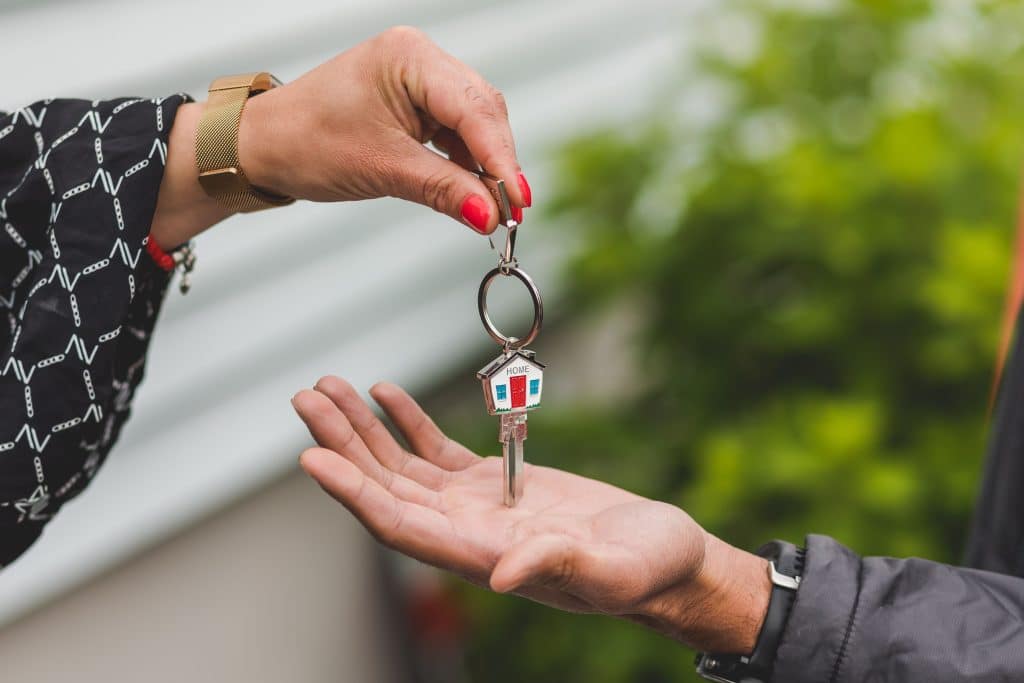
What Is a Handover Inspection?
A handover inspection is an independent building inspection carried out at practical completion, the point where the builder says the home is finished and ready to hand over. It’s done by a licensed inspector with no connection to the builder, the developer, or the builder’s own certifier, using the approved plans, permits and Australian Standards as the benchmark.
In our experience, even well-built homes regularly present some defects at handover, so the point of the inspection isn’t to catch the builder out. It’s to put an accurate, written record in your hands before you sign off.
What you get at the end is a report, in plain language, documenting any defects, incomplete work, and anything that doesn’t match the approved plans or building standards, with photos.
One practical note: don’t lock in a date until the builder confirms that the property, including trades, is actually finished. Turning up to an incomplete site wastes your fee and the inspector’s time. Once you’ve settled, you’re relying on warranty claims, a slower and more adversarial process.
It’s different from a standard pre-purchase inspection, which looks mainly at age, wear and structural movement. On a new build, the question is whether the finished home matches what was approved and paid for, and whether it’s built to the standard it should be.
Why New Homes Still Have Defects
The assumption that a brand-new home is automatically defect-free is one of the most common, and costly, mistakes new build buyers make. It’s an understandable one, similar to the assumption that leads people to skip a building and pest inspection on an older home they’ve already fallen for. But construction defects at handover are common, and turn up across the market, from entry-level houses in outer suburban estates to premium apartments in the CBD.
A few things are stacking up in Brisbane right now that make this worth taking seriously:
- Cost pressure on builders. Queensland construction costs, particularly for residential builds, have risen by around 44% over the past five years, squeezing margins on fixed-price contracts signed before those costs hit.
- Undersupply and speed. CBRE forecasts only around 3,100 new inner-city dwellings a year across Brisbane from 2026 to 2031, well short of what population growth needs. That gap creates pressure to build fast, not necessarily to build carefully.
- Labour shortages. With experienced trades stretched thin and Olympic-related work expected to draw more labour into Queensland from 2027, some work is being completed by less experienced crews under time pressure.
- Insolvencies in the trade base. In April 2026 alone, 43 Queensland construction firms entered external administration, according to Master Builders Association reporting. When a project changes hands partway through, consistency is often the first casualty.
- Stretched supervision. A high volume of concurrent projects means site supervisors are covering more ground with less time on each one.
The Most Common Defects Found in New Brisbane Builds
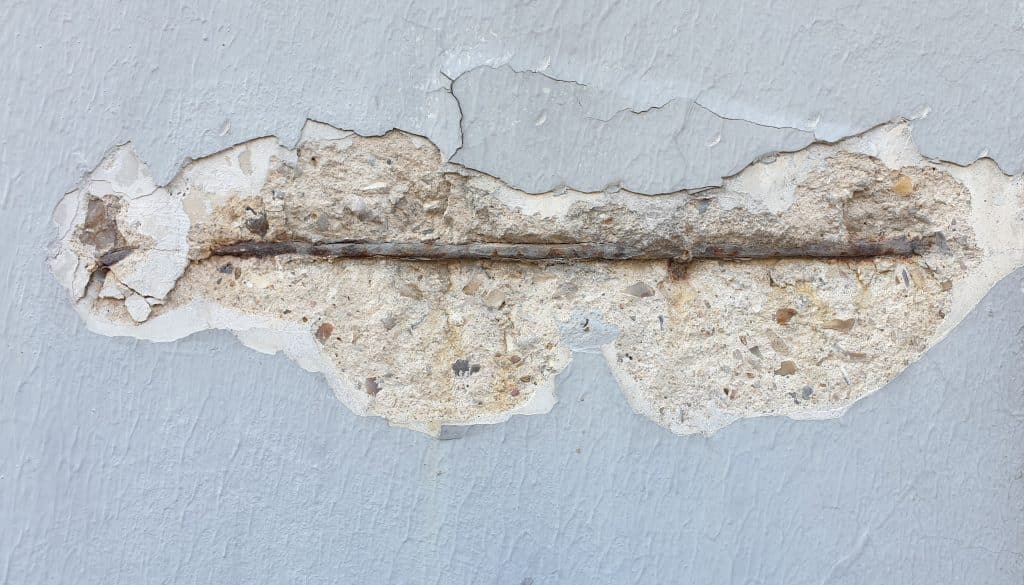
Not every new home is a problem. Most defects found at handover are fixable and unremarkable: a misaligned door, a section of render that needs attention, a drainage fall that’s slightly out. Finding them before you’ve paid the final cent and taken the keys is the whole point. In our experience, the defects that come up most often in new Brisbane builds are:
- Waterproofing failures in wet areas
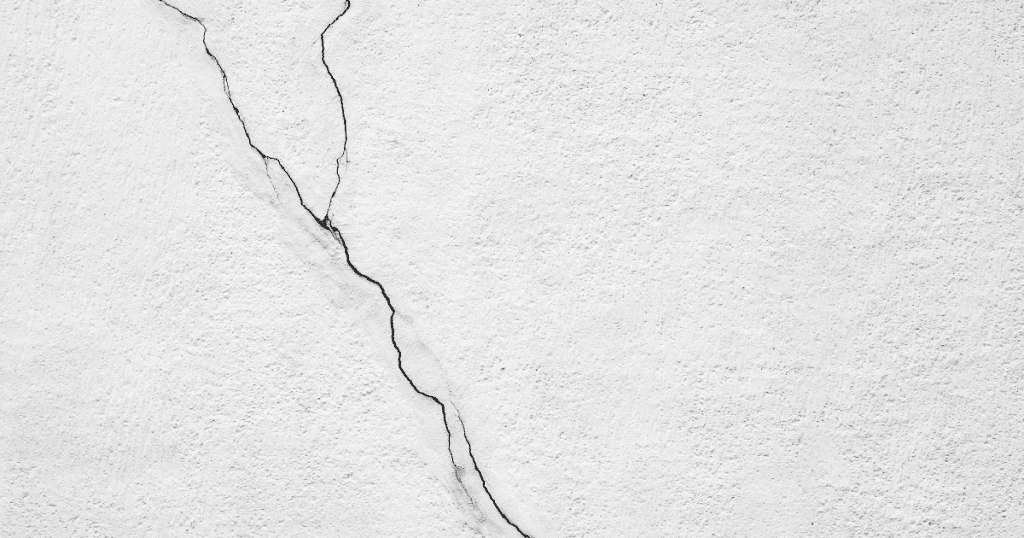
- Cracking in render and plasterwork
- Roof and gutter installation issues
- Door and window alignment
- Drainage that hasn’t been graded properly
- Items that simply haven’t been finished or don’t match what was approved
Waterproofing is worth flagging on its own. It’s one of the most commonly defective elements in new construction, and one of the most expensive to fix once tiles and fixtures are in.
What a Handover Inspection Actually Covers
A thorough handover inspection looks at the property as a whole, not just finishes:
- Structure: frame, slab and roof structure, where visible
- External: cladding, windows, doors, garage, driveway, drainage and stormwater
- Roof: coverage, flashings, gutters and downpipes
- Internal: walls, ceilings, floors, fixtures and fittings
- Wet areas: waterproofing and tiling, given how often this is where problems sit
- Compliance: whether what’s been built actually matches the approved plans
Worth being upfront about what it doesn’t cover: areas inside wall cavities, fittings not yet installed, and anything inaccessible on the day. It’s a snapshot of what’s visible and complete at the visit, not a guarantee nothing will ever go wrong.
Off-The-Plan Buyers Have an Extra Layer to This
If you bought off-the-plan, handover is often the first time you’re seeing the finished property in person. Unlike an established property, where you can walk through the home before making an offer, off-the-plan buyers often commit before the first brick has been laid. You bought from a floor plan and a set of renders, not the ‘real thing’.
Substituted materials, small layout changes and finish variations happen more often than developers volunteer up front. A handover inspection gives you an independent, dated record of the property’s actual condition at settlement, which matters if you need to make a warranty claim later and have to prove what state the property was in when you took it on.
This applies directly to buyers purchasing in Olympic-adjacent developments, including future residential conversions within the Bowen Hills precinct, one of the suburbs identified as likely to see the strongest growth from nearby Olympic infrastructure. These should be treated like any other new build and inspected before settlement.
Timing matters more for off-the-plan settlements than almost anything else. Book the inspection as soon as practical completion is confirmed, not after you’ve already picked up the keys.
What Happens After the Inspection
The report becomes a working document, not just a record. You can put it to the builder and ask for rectification before you settle. In Queensland, builders carry statutory obligations under the QBCC framework, and a documented, independent report gives you something concrete to hold them to.
If issues turn up after you’ve settled, you can still pursue a warranty claim, but a handover report puts you in a stronger position than trying to prove, after the fact, that a defect was there from day one.
If an inspection turns up something significant, you have options: request rectification before settlement, or in some cases delay settlement until the work is done. This is also the point to loop in your solicitor or conveyancer, particularly if the defects are structural or the builder is pushing back.

Booking a Handover Inspection Across Brisbane and SEQ
Looking for a handover inspection Brisbane buyers trust?
We see new build handovers regula. rly across houses, townhouses and apartments, and reports are delivered within 24 hours of the inspection. Pricing depends on the size and type of property, so call ahead for an accurate quote.
If you’re settling on a new build in Brisbane or SEQ, book a handover inspection before final payment. Call us on 1300 337 447 to arrange an inspection, or simply book online today.
Frequently Asked Questions
What is a handover inspection, and is it different from a building inspection?
A handover inspection, sometimes called a new build inspection in Brisbane, is an independent assessment of a new build at practical completion, focused on construction quality, defects and compliance with the approved plans. A standard building inspection on an established home focuses more on age-related wear, structural movement and maintenance.
When’s the best time to book, before or after I get my keys?
Before. Ideally as soon as practical completion is confirmed, and before final payment is made, while the builder still has a reason to act on what you find.
Can a builder refuse to let an independent inspector attend the handover?
Independent inspections are a standard part of due diligence, and reputable builders will generally accommodate them. If access becomes an issue, it’s worth speaking with your solicitor or conveyancer.
What are the most common defects found in new Brisbane homes?
Waterproofing issues in wet areas, cracking in render and plasterwork, roofing and guttering faults, door and window alignment, and drainage that hasn’t been properly graded.
What happens if defects are found?
You can request that the builder rectify the issues before settlement, or in serious cases delay settlement until the work is done. Your solicitor or conveyancer should be part of that conversation.
Does a new build’s warranty mean I don’t need an inspection?
No. A warranty means you have a path to remedy defects after the fact. A handover inspection means you catch them before you’ve paid in full and taken possession, which is a much stronger position to negotiate from.
Do I need a handover inspection if I’m buying off-the-plan?
Yes, arguably more so. You haven’t seen the finished property before settlement, and substitutions or finish changes from the original plan are common.
How long does it take, and how quickly will I get the report?
The inspection itself typically takes a few hours depending on the size of the property. Reports are delivered within 24 hours.
