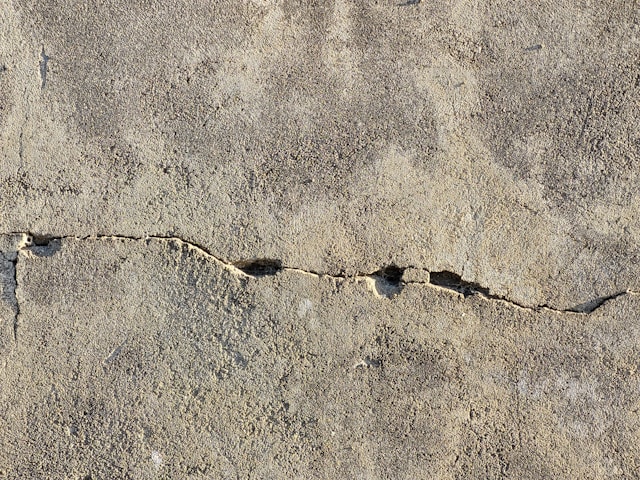
You spot a crack in the wall, and the first question is usually the same: is it just normal settlement, or could it be a sign of something more serious? Cracks show up in almost every home at some point, but they don’t all mean the same thing, and knowing when to worry about cracks in walls isn’t always obvious at a glance.
How Can You Tell If a Crack Is Settlement or Structural?
Minor cracks can develop as a home ages, materials cure, and ground conditions change. Some cracks, however, can point to more significant structural movement in a building’s footings or foundations. The difference usually comes down to a handful of clear signs: width, direction, pattern, and whether the crack is getting worse.
Key Takeaways
- Settlement cracks are usually thin, straight and stable, caused by normal, minor movement.
- Structural cracks are often diagonal or stepped and may widen or worsen over time.
- Crack width is a useful clue but not the whole picture. Direction, pattern and growth matter just as much.
- AS 2870 provides a framework for classifying building damage as appearance, serviceability or structural. The classification isn’t something a homeowner can determine from crack width alone.
- Doors or windows that stick, floors that slope, or a crack that reopens after patching are all signs worth having checked.
- Self-diagnosis has limits. A professional assessment is the only reliable way to confirm whether a crack is structural.
What Are Settlement Cracks?
Minor cracks in a house can develop as a building’s weight beds into the ground beneath it, or as materials like timber, plaster and concrete expand, contract and cure over time. New homes can be particularly prone to minor cracking during the early years after construction, as framing dries out and the slab or footings adjust to load. Minor cracking can also occur in established homes, particularly as soil moisture fluctuates with changing conditions.
These cracks are typically hairline to fine, and tend to run in fairly straight, vertical or near-vertical lines. Common spots include around cornices, over door and window frames, and along plasterboard joints. They generally don’t affect how doors and windows operate, and they often remain stable once the initial movement has settled.
It’s worth noting that a crack appearing in a new build isn’t automatically safe just because the home is new. Settlement is common in new construction, but the same direction and growth signs still apply, and worsening cracks warrant a look regardless of the property’s age.
What Are Structural Cracks?
Structural cracks in walls can indicate something more significant, such as ongoing movement in a building’s footings, foundations, or load-bearing elements. Reactive clay soils are a common cause in Queensland. As moisture conditions change through wet and dry periods, these soils expand and contract, which can place uneven pressure on slabs and footings. Tree roots, poor site drainage and inadequate original footing design can also contribute.
Unlike settlement cracks, structural cracks tend to widen over time rather than settle down. They’re often diagonal or follow a stepped, staircase-like pattern through brickwork or mortar joints, and can appear on both the inside and outside of a wall in the same spot, often alongside doors and windows that stick or floors that are no longer level.
A wide crack isn’t automatically structural, and a narrow one isn’t automatically safe. Width is one factor among several, which is why a building inspector, and in more severe cases a structural engineer, looks at the full picture rather than a single measurement.
Settlement Cracks vs Structural Cracks: Comparison Table
| Settlement Cracks | Cracks Associated With Structural Movement | |
| Cause | Material curing and minor seasonal ground movement | Footing or foundation movement, reactive soil, drainage or design issues |
| Appearance | Often straight or near-vertical, hairline to fine | May be diagonal, stepped or irregular |
| Width | Often fine or hairline | May be wider, but width alone is not conclusive |
| Growth pattern | Often stable once initial movement settles | May continue to widen or reappear over time |
| Common location | Cornices, plaster joints, over door/window frames | Load-bearing walls, corners, brickwork joints |
| Action needed | Monitor; usually cosmetic | Professional assessment recommended |
How to Know If a Crack Is Structural
These are some of the signs of possible structural movement. A crack is worth a closer look if it shows one or more of the following:
- It appears unusually wide or has grown since it was first noticed.
- It runs diagonally or in a stepped, staircase pattern.
- It appears on both the interior and exterior of the same wall.
- It’s accompanied by doors or windows that stick or don’t close properly.
- Floors nearby feel noticeably uneven or sloped.
- It reappears after being patched or painted over, particularly if it has become wider.
- Several cracks are appearing around the same area of the home at once.
None of these signs alone confirms structural damage, but any of them can justify a closer assessment, particularly if the crack is new, changing, or accompanied by other signs of movement. If you’re seeing signs like these, it’s worth taking the step to book a building inspection rather than simply watching and waiting.
Types of Cracks You Should Never Ignore
Some crack patterns and accompanying signs deserve closer attention, particularly when they suggest movement beyond the surface of the wall.
A stepped crack climbing through brickwork. Diagonal, staircase-pattern cracks that follow the mortar joints, particularly running from the corner of a window or door towards the roofline, can be a sign of differential footing movement, where one part of the foundation is settling faster than another. They’re sometimes mistaken for ordinary mortar shrinkage and left alone, which is a common misjudgment given how routine they can look at first glance.
A crack that varies noticeably in width. A crack that is significantly wider at one end than the other can be a sign of uneven movement, particularly alongside other signs of movement. Its shape alone doesn’t confirm a structural problem, but it’s worth having assessed rather than simply patched over.
A crack that keeps coming back. A hairline crack that’s been patched and painted over, only to reopen in the same place, particularly if it has become wider, can indicate that the underlying movement is continuing. Repeated reappearance is more telling than the crack’s size on any single occasion.
A crack alongside sticking doors or sloping floors. A wall crack on its own can be innocuous. The same crack alongside a door that no longer latches properly, or a floor with a noticeable slope, can indicate movement affecting the structure more broadly, beyond the surface finish alone.
When to Call a Professional
Crack-watching has real limits. Width, direction, and pattern all offer useful clues, but confirming whether a crack reflects genuine structural movement requires a proper assessment, not a guess from the footpath. A structural crack assessment is designed to investigate these signs in more detail, while a building inspection can identify cracking that may warrant further assessment.
For anyone buying a property with cracks already visible, a pre-purchase building inspection can identify visible cracking and other signs of movement that may warrant further investigation before contracts are signed. For an existing home, a general building inspection can identify whether cracking appears cosmetic or warrants further monitoring or specialist assessment, with a referral to a structural engineer where findings warrant it.
If any of the checklist signs above apply, the next step is straightforward. Call 1300 337 447 to arrange an inspection, or book a building inspection online.
Frequently Asked Questions
Should I worry about settlement cracks?
Minor settlement cracks are generally not a cause for concern. They can be a normal part of a home ageing and adjusting to its site, particularly during the early years after construction. They’re often cosmetic, though it’s still worth keeping an eye on them for any change.
What is the difference between settlement cracks and structural cracks in houses?
Minor settlement and material movement can cause cracks that tend to be thin, stable, and cosmetic, often described as hairline cracks. Cracks associated with ongoing structural movement can be wider, diagonal or stepped and may worsen over time.
How do you know if a crack is structural or not?
No single sign is conclusive alone, but width, direction, growth over time and accompanying issues like sticking doors or sloping floors all matter. A crack showing one or more of these signs can warrant professional assessment, particularly if the cracking is new or changing.
What types of cracks can you not ignore?
Diagonal or stepped cracks, cracks that are wider at one end than the other, cracks that reappear after patching, and cracks accompanied by doors, windows or floors that aren’t behaving normally are all worth having checked, not left to run their course.
