
When buying or selling a house, the goal is always to get your money’s worth, or more. For this to happen you must first determine the overall condition of the property you’re intending to buy or sell. Undertaking a professional pre-purchase building and pest inspection can help you get a better understanding of the property’s worth, and make sure you don’t end up with a complete dud.
The greatest benefit of conducting a building and pest inspection is the assurance of the true value of your desired property. A building inspection will provide potential buyers or sellers a detailed report on the overall condition of a property, highlighting the existing minor and major issues that a house may have or be conducive to in the future.
Moreover, a building and pest inspection will determine the quality of the property and help buyers or sellers negotiate an acceptable price.
Key Takeaways
- A building and pest inspection helps buyers and sellers understand the true condition and value of a property.
- Inspectors assess accessible areas of the home including structure, roof space, subfloor, moisture levels, ventilation and potential termite activity.
- Professional inspectors use specialised tools such as moisture meters, infrared cameras and sounding devices to detect hidden issues.
- Most inspections take between one and two hours depending on the size and condition of the property.
- The inspection report highlights both minor and major defects and helps buyers negotiate price or plan future repairs.
- Booking an inspection before purchasing a property can help prevent expensive surprises and long-term structural problems.
What You’ll Learn From the Inspection Process
Many people book an inspection expecting a “pass or fail” outcome — but building and pest inspections don’t work like that. Instead, the inspection helps you understand:
- What’s happening now: visible defects, damage, deterioration and safety concerns in accessible areas.
- What may become a bigger issue later: moisture conditions, ventilation concerns, early deterioration and termite risk factors.
- What needs urgent attention vs general maintenance: the report typically helps prioritise items so you can act efficiently.
- Where specialist advice is needed: for example, electrical, plumbing, engineering or roofing when something falls outside inspection scope.
If you’re still deciding which service to book, this overview may help: Property inspection services.
Finding an Inspector and Getting a Quote
When looking for an inspector, there are a few factors that you need to consider: experience, price, availability, and turnaround time.
Ask yourself this: does the inspector you are eyeing have enough experience to conduct a proper and efficient inspection on your property? Do they come with the necessary license and qualifications? Are their prices in line with their competition in your area and will they be able to schedule you for an immediate inspection? Lastly, how long does it take for them to conduct their inspection and submit their findings?
You won’t know these things if you don’t contact an inspector and get a quote. As much as possible, don’t just settle on a few inspectors and instead look around and do your research. Quotes provided by inspectors depend on the size and the type of property to be inspected.
Tip: If turnaround time matters (for example, your contract deadline is close), ask whether the company offers faster report delivery and what the standard timeframe is. Many buyers also ask whether they can speak directly with the inspector after the report is delivered for clarification.
The Technology Used in the Inspection Process
The technology and instruments used by inspectors should adhere to industry standards and usually consist of, but not limited to, the following:
- Moisture meters
- Infrared cameras
- Sounding devices
Some inspection companies also use drones to gain access to higher areas of a property that are otherwise unreachable.
Why the tools matter
While experience and training are the most important part of the process, tools help inspectors confirm issues that may not be obvious at first glance. For example:
- Moisture meters can help identify elevated readings that may point to leaks, poor ventilation or drainage issues.
- Infrared cameras can assist in spotting temperature anomalies that may be consistent with moisture or heat loss, depending on conditions.
- Sounding devices help detect changes in density or deterioration in some building materials.
If you’re concerned about moisture-related issues specifically, this article may be useful too: Why have a moisture & mould inspection?
The Inspection Process
Upon arrival, the first thing that an inspector does is to assess the overall state of the building’s landscape as well as its surroundings. Experienced inspectors would usually know what to expect from a building’s interior but the state of its exterior and would look for clues from the landscape or building materials to determine potential problems inside the property.
The Building Code of Australia dictates that a Durable Notice be installed on a property after treatment of a termite infestation. For this reason, searching for this notice and checking for damages and other related conditions is one of the first undertakings of an inspector to determine the presence of termites as well as the likelihood of an infestation to recur.
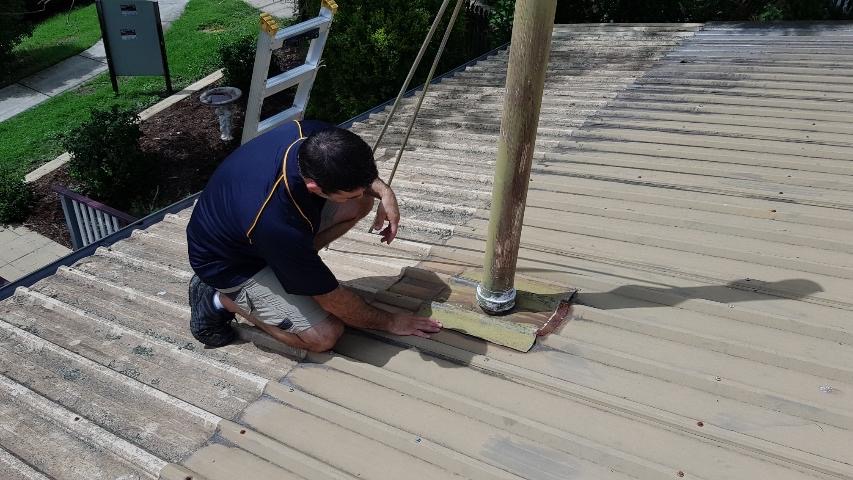
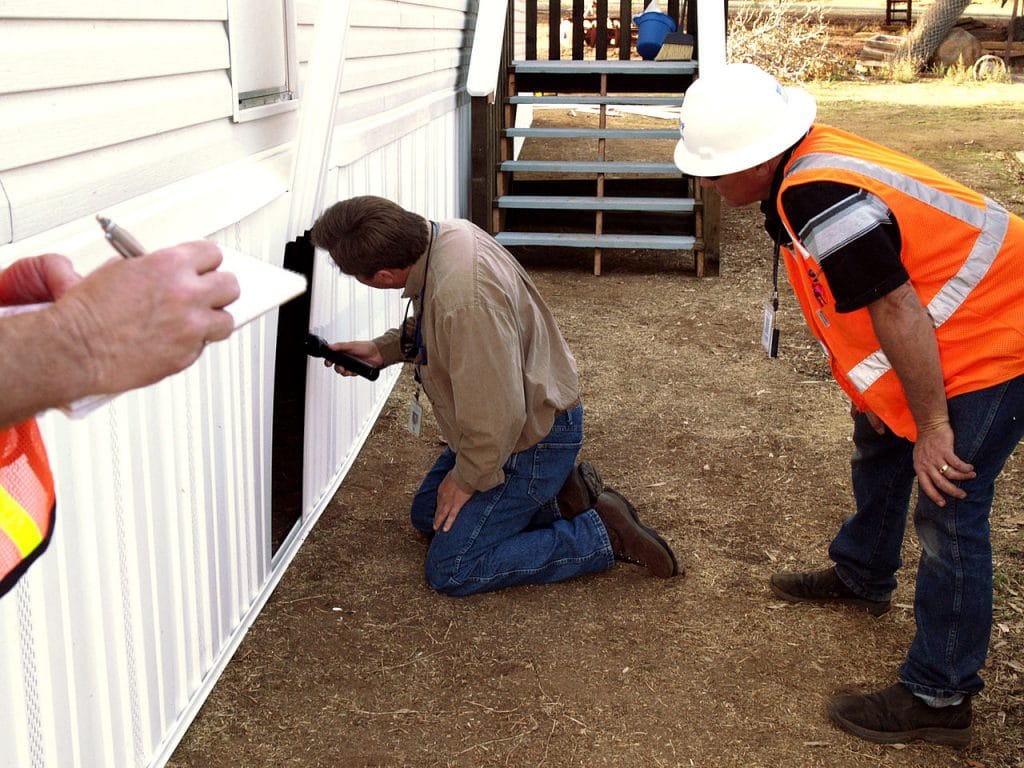
Afterwards, the inspector will begin examining all accessible areas, climbing or crawling to find defects and assess several different aspects of a building such as:
- Cracks
- General dilapidation
- Joint breakdown
- Moisture build-up
- Rising damp
- Roof integrity
- Ventilation
- Waterproofing and more.
Experienced inspectors would be able to identify different kinds of problems, what causes them, and how they’re related to other problems.
How to prepare so the inspection runs smoothly
The inspection can only cover accessible areas. To get the most value from the process, it helps if the property has safe access to key areas like:
- Roof space / manhole access points
- Subfloor entry points (where applicable)
- Garages, sheds, and external walls
- Bathrooms, kitchens and laundries (including under-sink cupboards)
If you want more context on subfloor access and what it can reveal, see: Inspecting a Home’s Subfloor.
The length of an inspection depends on the size of the property and its condition. Most of the time, a building and pest inspection could last from one to two hours. In most cases you are welcome to be present during the inspection, however, it is recommended that you ask questions first after the inspection is completed, to give the inspector room to focus on the task at hand.
The Inspection Report
Once the building and pest inspection has concluded and you have been carefully guided through the issues found in the property, the inspector will start working on a detailed report to be submitted to you within 48 hours. However, most clients receive the report on the same day as the inspection.
You can expect to receive the report via email and it will include every defect, no matter how minor or superficial, and suggestions on where you can find services to fix these defects.
What to focus on when you receive the report
When reading your report, pay close attention to the sections that indicate:
- Major defects and any safety hazards
- Evidence of termite activity or termite risk factors
- Moisture readings and any recommendations for further investigation
- Areas not inspected due to access restrictions
If you’re unsure what to do next after reading it, this guide may help: What to Do After Receiving a Building & Pest Inspection Report.
Get your building inspected now!
Are you thinking of selling or buying a property? Conducting a pre-purchase inspection can go a long way. At Inspect My Home we send out only highly-trained professionals to provide an extensive and all-inclusive building inspection. We assure all clients a friendly service that adheres to the highest standards and levels of professionalism.
It is important that you truly know a property’s worth, not just in its current state but also how its current conditions could affect its value in the long run. Call Inspect My Home at 1300 337 447 or book online to get your home inspected.
Frequently Asked Questions About the Inspection Process
How long does a building and pest inspection take?
Most inspections take between one and two hours depending on the size, age and condition of the property. Larger homes or properties with complex structures may take longer to inspect thoroughly.
Can buyers attend the inspection?
In many cases buyers are welcome to attend the inspection. However, inspectors usually recommend discussing questions after the inspection has finished so they can focus fully on identifying defects during the process.
What areas of the property are inspected?
Inspectors examine all safely accessible areas of the property including the roof exterior, roof void, interior rooms, subfloor (where accessible), external walls, drainage, ventilation and evidence of moisture or termite activity.
What tools do building inspectors use?
Inspectors commonly use tools such as moisture meters, infrared cameras and sounding devices to help identify moisture issues, structural irregularities and other hidden defects.
Will the inspection report include repair recommendations?
The report will outline defects found during the inspection and may include general guidance about the type of repairs that may be required. For specialised repairs, further assessment by a qualified tradesperson may be recommended.
Why is a pre-purchase inspection important?
A pre-purchase building and pest inspection helps buyers understand the real condition of a property before committing to the purchase. It can highlight hidden problems, help with negotiation and prevent costly surprises after settlement.
