
Soft or uneven floors, squeaking boards, or a musty smell can all point to problems beneath your home. The subfloor plays a critical role in supporting the structure above it, and when defects develop, they can lead to safety risks, costly repairs and long-term damage.
Common subfloor defects include termites, moisture issues, poor ventilation, movement and structural deterioration. Because this area is hidden from view, problems often go unnoticed until they become severe.
In this guide, we explain what the subfloor and subfloor void are, why inspectors need access to this area, and the most common subfloor defects — including how to identify, fix and prevent them.
Key Takeaways
- The subfloor supports the structure above and plays a key role in moisture control and pest prevention.
- Common subfloor defects include termites, moisture leaks, sinking or squeaky floors, poor ventilation and timber movement.
- Many subfloor problems start small and worsen over time due to damp conditions and lack of airflow.
- Poor ventilation and excess moisture significantly increase the risk of timber decay and pest activity.
- Safe, clear access to the subfloor allows inspectors to identify issues early.
- Regular inspections and maintenance can prevent minor subfloor issues from becoming major structural problems.
What is a subfloor?
A subfloor is the structural layer attached to the floor joists that supports the finished flooring above. It distributes weight from people, furniture and cabinetry across multiple joists, reducing movement and deflection. A properly installed subfloor also provides a level base for flooring and helps protect against moisture damage and mould in damp environments.
What is a subfloor void?
The subfloor void is the space beneath a suspended timber ground floor. Its depth can vary from minimal clearance to an area large enough to crawl through, typically around 300–400mm between the underside of the floorboards and the ground beneath. This space plays a key role in ventilation, moisture control and pest management.

Why do inspectors need to access this area?
There are several reasons for building inspectors to perform a routine inspection even though the subfloor is often hidden from the day-to-day field of vision. The subfloor can tell a lot about the property and its condition. That’s why it is recommended to be inspected quarterly, or once per year at a minimum.
It is essential to understand what may be happening under the raised floor that can cause damage. Things like drainage, ventilation, condition of the construction materials, and pest infestation signs are crucial aspects of any property maintenance program.
Why subfloor defects are a serious issue
Defects in the subfloor don’t just affect comfort — they can compromise the structural integrity, safety and durability of a home. Problems such as termites, moisture and poor ventilation often start below the floor and spread upward, damaging flooring, wall frames and internal finishes.
Because the subfloor is hidden, defects can worsen for years before becoming visible. This is why subfloor issues are frequently flagged during pre-purchase inspections and can significantly affect repair costs and buyer confidence.
How to help the inspector
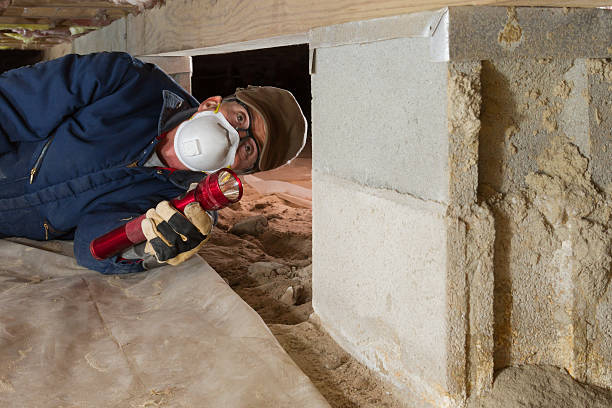
During the inspection, you must ensure the inspector can get reasonable access to enter your sub-floor void if one exists. If you can’t be on the property during the inspection, make sure you have a representative who knows where the entrance to the void is and can open the hatch. It will also help if you remove any stored items to clear the space.
Ensure that the entrance point is not blocked by any items as the inspector cannot move anything around as part of his inspection. And to help close any information gaps that may arise from the inspection, you have to keep receipts for any repairs or improvements in this space.
Providing safe and clear access allows the inspector to complete a thorough assessment. If access is restricted, defects may remain undetected, which can lead to unexpected issues later and limit the reliability of the inspection report.
List of common defects and how to fix/prevent/identify them
Most subfloor defects develop gradually and are often linked to moisture, poor ventilation, pest activity or inadequate construction. While some issues are minor and relatively easy to fix, others can escalate quickly if left untreated. Below are the most common defects inspectors encounter in subfloors, along with their causes, signs and typical solutions.
Termites
There are more than 300 species of termites in Australia, but only a dozen are a problem for timber in buildings. The possibility of damage depends on the type of construction and other conditions present at the property.
Causes: The subfloor is the closest part of a building to the ground and can be susceptible to dampness, creating perfect pests conditions. The subterranean species cause the most damage to building timbers. They can contain up to several million members, so when they find a good food source, they cause a lot of destruction.
Identify: Termites build mud-covered shelter tubes over the foundations sometimes and up piers or walls to get to the subfloor timbers. There are several signs of termite damage to subfloors, such as squeaking floors, sagging floors, top floor layer that is disengaged from the subfloor, and loose floor tiles.
Fix: It’s essential to inspect for termites regularly. If you find live termites in your property, the best thing to do is cover up the runway and then contact our pest inspectors. It would help if you disturbed them as little as possible so that the pest controller can work with the active runway to access the nest, which may be some distance away.
Squeaky floors
It is quite common for an old property to have a squeaky floorboards and any homeowners ignore the sounds, which can be a huge mistake. Squeaky floors can mean that the subfloor was not secured to the joists correctly.
Causes: Squeaks are caused by adjacent parts of the floor rubbing against each other when they’re walked on. Other causes include loose-fitting or broken tongues and groove, nails that have missed the joist underneath.
Fix: Squeaky floor can be fixed by going under the floor and filling the gap between the joist and flooring. In general, all boards or sheets must be re-nailed wherever there is movement. For structural problems, you need to call in a carpenter to install extra joists.
Sinking floors
Cause: The main reason for the sinking floor is an original subfloor that was not installed correctly. Another cause is the excessive moisture, causing certain areas of the floor to sag.
Fix: The best solution is to call in a professional to have a good look at your floor. It is essential to have a property inspection before purchase to inspect a subfloor.
View our gallery from previous inspections to see some of our findings.
Leaks
Causes: Downpipes that are not connected are often the cause of leaks. Water pooling around concrete footings can cause major structural problems.
Fix: Look for any damaged pipes and get these repaired or replaced immediately. Check also where the water flows at your property during periods of rainfall. Even in summer months, make sure to know where the water is being directed. It is a relatively straightforward process connecting the downpipes to the stormwater systems.

Gaps between boards
Causes: Older properties with tongue and groove strip flooring will often have gaps between boards. This is because it was once common practice to use green boards. As they continued to dry over the years, the boards would shrink, and small gaps would appear.
How to Fix: If the gaps are wide enough to show through the floor covering, the easiest solution is to fill them with a suitable compound or cover the floor with hardboard or MDF underlay.
Insufficient Ventilation
Causes: Inadequate subfloor ventilation is a common problem for many homeowners. There are several reasons for limited ventilation, including obstructed or blocked vents, old vents and lack of natural ventilation.
Identify: If your subfloor is damp, mouldy or smelly or you have fungi growing, you have insufficient ventilation.
Fix: Obstructions or stored items under your house can block vents and limit natural airflow. Removing these obstructions can remedy this problem. If you have older vents made of terracotta or cast iron, you need to change them because they do not allow as much ventilation as open metal vents do. You might also consider adding vents or ventilation fans.
Inspect your property
For property inspections in QLD, NSW, or WA, Inspect My Home can provide you with a professional professional building inspection service to help you assess the quality of your property and it’s subfloor.
We have a team of licensed and experienced inspectors that can give you a detailed building report, whether you’re selling a residential or commercial property. Call us on 1300 337 447 or book online to schedule a building inspection for your property today.
Find out how much it will cost to inspect your property
Frequently Asked Questions
What are the most common subfloor problems?
The most common issues include termites, moisture leaks, poor ventilation, sinking or squeaky floors, and gaps between floorboards caused by movement or timber shrinkage.
How can I tell if my subfloor has a problem?
Warning signs include soft or uneven floors, squeaking, musty smells, visible mould, excessive dampness and unexplained floor movement.
Is poor subfloor ventilation a serious issue?
Yes. Poor ventilation allows moisture to build up, increasing the risk of timber rot, mould growth and termite infestation.
Should subfloors be inspected before buying a property?
Yes. Subfloor inspections are an important part of a pre-purchase building inspection, as defects in this area are often hidden and costly to repair.
