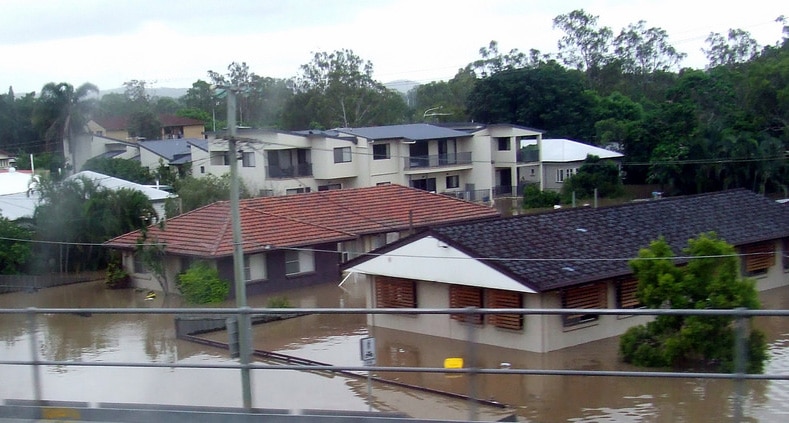
One of the biggest issues for a home is moisture and water damage. It’s one of the main things our inspectors are looking for when performing building and pest inspections, and it’s what you should take seriously in your building report.
Key Takeaways
- Home water damage can start from blocked gutters, poor drainage, leaking plumbing, or persistent humidity.
- If left unresolved, water damage can lead to mould, structural deterioration, pest activity, and cosmetic damage.
- Early warning signs include musty smells, staining, bubbling paint, buckling timbers, and condensation.
- Preventative maintenance is usually much cheaper than repairing advanced water damage.
- A professional building inspection can help identify hidden moisture problems before they become more serious and expensive.
Repairing water damage can be quite costly so it’s much better to know the signs so you can either avoid homes with such damage, prevent it in your own home, or at least notice when it starts and put a stop to it.
Causes of Water Damage
- Blocked gutters – can result in backflow of rainwater into the eaves and walls of the house
- Bad or old plumbing – leaks, burst pipes etc.
- Poor drainage – either within the kitchen and bathrooms, or the block of land
- Humidity – homes in humid areas need better sealing and protections against the moisture in the air.
Common signs of home water damage
Water damage is not always dramatic or immediately obvious. In many homes, it develops gradually and only becomes noticeable once staining, swelling, or mould appears. Common signs homeowners and buyers should watch for include:
- Musty smells that persist even after cleaning or airing out the home
- Discoloured ceilings, walls, or cornices
- Peeling, bubbling, or flaking paint
- Swollen skirting boards, cabinetry, or timber floors
- Condensation on windows or damp patches near wet areas
- Visible mould growth in bathrooms, laundries, kitchens, or cupboards
These signs may indicate that moisture has been present for some time. If you are noticing recurring condensation or mould, this guide may also help: Why have a moisture & mould inspection?
Dangers of Water Damage
Water damage can go on to cause a whole host of problems in your home. The following are just some of the dangers posed by water damage and excess moisture.
Mould – it looks pretty bad, but mould can also be a deadly health risk. Toxic mould spores in the air can flare up allergies, exacerbate asthma, cause skin irritations and infect the throat and lungs. Mould comes about from standing water or dampness, usually as a result of poor drainage, bad ventilation, and/or leaking plumbing.
Structural Damage – ongoing moisture problems and standing water can, over time, damage the structural integrity of your home. When your foundation or decking timbers are affected it compromises the whole home.
Pest Infestations – whether it’s termites, ants, cockroaches, or any other uninvited guests, they all love cool, damp, dark places to make nests. Moisture also makes the timber in your home a food source for termites, leading to further damage and costly treatments and repairs.
Aesthetic Damage – even if it doesn’t destroy your home, water damage can look quite unsightly and drop the value of your home just by its unsightly appearance. Discolouration, damaged paint, buckling timbers and the like can be quite noticeable even before a building inspector visits the home.
Why water damage should never be ignored
One of the biggest problems with home water damage is that it often spreads beyond the area where it first appears. What starts as a leaking gutter or slow plumbing drip can affect insulation, plasterboard, timber framing, flooring, and subfloor areas over time.
Because moisture can travel through walls, ceilings, and floors, the visible stain or mould patch is not always the full extent of the problem. This is why moisture-related issues should be investigated early, especially if the property has a history of leaks, stormwater ingress, or poor drainage.
Avoiding Water Damage
Obviously you’re better off preventing water damage in your home all together.
Make sure your plumbing, drains and gutters are all clear and in good repair, and get leaks fixed as soon as possible.
Avoid humidity above fifty percent within the home. If you notice condensation on the windows, dampness on your walls and ceilings, or a musty smell throughout the house you may have a humidity problem. Consider improving the ventilation in your home, dehumidifiers, or a reverse cycle air conditioner.
Finally, if you do find a significant amount of water in your home or apparent water damage, especially mould, get it checked by an experienced building inspector. There could be further damage you’re unaware of.
How to reduce the risk of water damage
Preventing home water damage usually comes down to maintenance and early intervention. Some simple steps that can help include:
- Cleaning gutters regularly and making sure downpipes direct water away from the home
- Checking bathrooms, laundries, kitchens and roof spaces for signs of leaks
- Monitoring subfloor areas for poor drainage or excess moisture where accessible
- Improving ventilation in wet areas and rooms prone to condensation
- Fixing plumbing problems promptly before water has time to spread
If gutters are part of the issue, this article may also be helpful: How cleaning your gutters can save you money.
Whether you’re looking to buy a new home, or you’re concerned about your own, contact us on 1300 337 447 to arrange a building inspection, or book online today.
Frequently Asked Questions
What causes home water damage?
Home water damage is commonly caused by blocked gutters, leaking or burst pipes, poor drainage, roof leaks, and ongoing humidity problems. In many cases, a combination of these issues allows moisture to build up over time.
What are the signs of water damage in a house?
Common signs include musty smells, mould growth, bubbling paint, ceiling stains, warped timbers, damp walls, and condensation. Some moisture issues are hidden at first, so recurring signs should not be ignored.
Can water damage cause mould?
Yes. Persistent moisture and dampness create the ideal conditions for mould growth. Once mould takes hold, it can spread quickly and may affect both the building materials and indoor air quality.
Can water damage attract termites and pests?
Yes. Damp, decaying timber and moisture-prone areas can make a property more attractive to termites and other pests. This is one reason water damage can lead to secondary problems if not addressed promptly.
Can water damage affect the value of a home?
Yes. Water damage can reduce a home’s value by causing visible cosmetic damage, raising concerns during a building inspection, and indicating the possibility of more extensive hidden defects.
When should I get a building inspection for water damage?
You should consider a building inspection if you notice visible mould, staining, recurring dampness, musty smells, or any signs of leaks. It is also worth arranging an inspection before buying a home if water damage is suspected.
Image courtesy Flickr: David Jackmanson
