translating-reports

Translating Building & Pest Inspection Reports

Building and pest inspection reports are designed to be clear, but the terminology used can still feel confusing — especially if you’re reading one for the first time. Words like average, minor defect or major defect can sound alarming without proper context.

This guide explains the most common building report terms, what they actually mean, and how inspectors use them, so you can confidently interpret your report and make informed decisions.

Continue reading “Translating Building & Pest Inspection Reports”
flood sign on the road

What to consider before buying property in a Brisbane flood zone

Buying property in a Brisbane flood zone can feel risky — especially if you remember the impact of the 2011 floods. While flood-prone areas may still offer lifestyle and price advantages, they come with additional considerations that buyers must fully understand before committing.

In this guide, we outline the key factors to consider when buying property in a Brisbane flood zone, including flood risk, insurance implications, renovation restrictions and the importance of a professional inspection.

Continue reading “What to consider before buying property in a Brisbane flood zone”
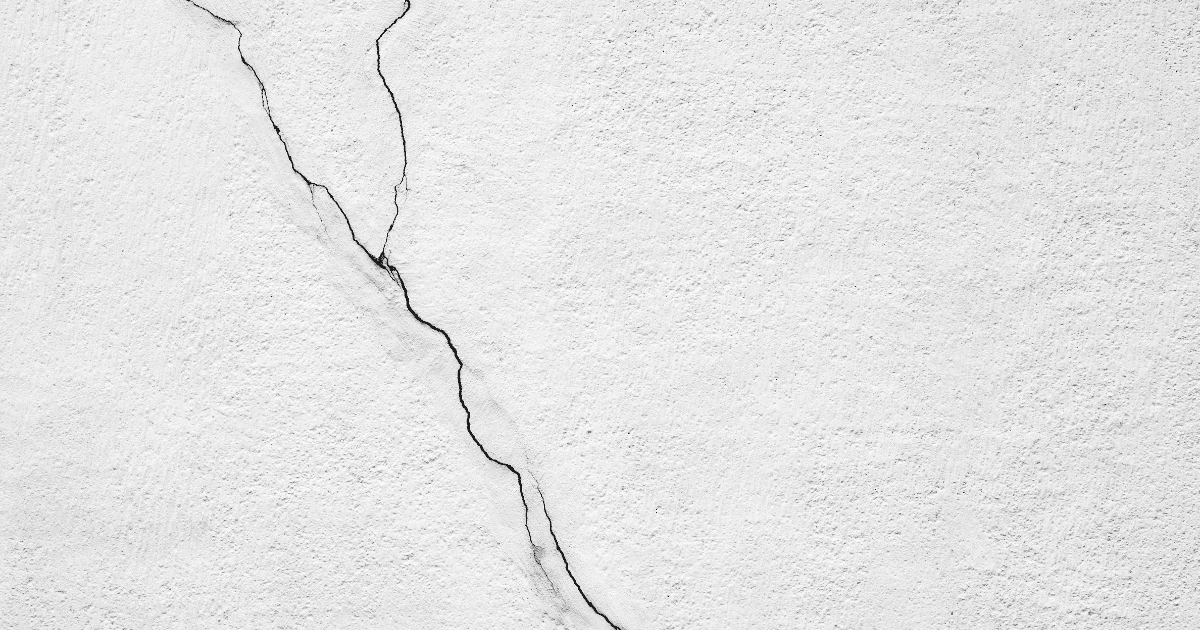
vertical crack in wall

Cracks in Walls: When to Worry

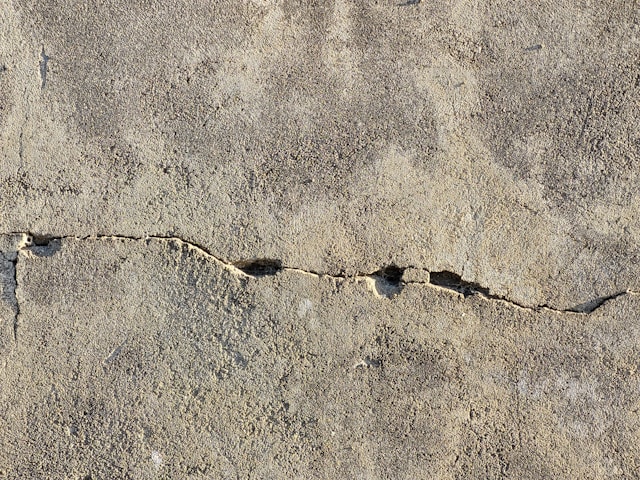
Cracks in walls are common in many homes — but not all cracks mean there’s a serious structural problem. Some are cosmetic and easy to fix, while others can indicate foundation movement, subsidence, termite damage or structural failure.

The key is understanding which cracks are harmless and which ones need urgent attention. Size, location, pattern and movement all matter. In this guide, we explain the different types of wall cracks, what causes them, when to worry, and when it’s time to seek professional advice.

Continue reading “Cracks in Walls: When to Worry”

A Guide To Chemical Delignification

Chemical delignification is a form of timber deterioration that affects roof structures, particularly timber battens supporting metal or terracotta roof tiles. Often referred to as “hairy timber,” this process weakens the timber over time and can eventually compromise the structural safety of the roof — in some cases making it unsafe to walk on.

In this guide, we explain what chemical delignification is, where it occurs, what causes it, when it becomes a structural defect, and how it can be identified, managed and prevented. Understanding this issue early can help property owners avoid costly repairs and serious safety risks.

Continue reading “A Guide To Chemical Delignification”
asbestos in the house

What to Do if Asbestos Is Found in Your Home

If you live in a house built before 1980, there’s a chance asbestos may be present somewhere in the building. While that can sound alarming, asbestos does not automatically pose a health risk if it is undisturbed and in good condition.

This guide explains what asbestos is, why it can be harmful, where it is commonly found in homes, how to identify it safely, and what steps to take if asbestos is discovered — so you can make informed, safe decisions without unnecessary worry.

Continue reading “What to Do if Asbestos Is Found in Your Home”

What to Do After Receiving a Building & Pest Inspection Report

Building Inspector on roof

Buying a home is exciting, but receiving a building and pest inspection report can feel overwhelming. Whether it highlights minor maintenance items or more serious concerns, knowing how to interpret the report and what to do next is critical to protecting your investment and avoiding costly surprises.

In this article, we will guide you through reading and interpreting your building pest report, help you understand common issues, and outline what you should do next to make informed decisions. We will also explain why choosing Inspect My Home ensures you have the support you need at every stage.

Continue reading “What to Do After Receiving a Building & Pest Inspection Report”
building inspection audit stroud homes

How To Pass Your Building Inspection

Worried about an upcoming building inspection and wondering how to “pass”? In most cases, building inspections aren’t a pass/fail test. Instead, a licensed inspector identifies defects, safety hazards, and maintenance issues that could affect the property’s condition, value, or buyer confidence.

The best way to “pass” a building inspection is to reduce avoidable issues: make the property accessible, fix simple defects, address safety risks, and have documentation ready. This guide explains what a building inspection covers, why it matters to buyers, and how to prepare your property so the inspection runs smoothly and the report reflects the home at its best.

Continue reading “How To Pass Your Building Inspection”

Trench to extenal wall awaiting chemical to be applied to footings

Concrete Slabs & Termite Myths

Many homeowners assume that a concrete slab home is protected from termites. After all, concrete isn’t wood — so termites can’t eat it, right? Unfortunately, this is a common termite myth. While termites don’t damage concrete itself, concrete slabs do not prevent termites from accessing a home.

In fact, many modern brick homes built on concrete slabs remain vulnerable to termite attack if access points are present. If you’re buying a home built on a concrete slab, a professional building and pest inspection is essential to confirm whether termites have gained access — or could gain access — to the structure.

Continue reading “Concrete Slabs & Termite Myths”
subfloor void

Common Defects Found in Subfloors (and how to fix them)

Soft or uneven floors, squeaking boards, or a musty smell can all point to problems beneath your home. The subfloor plays a critical role in supporting the structure above it, and when defects develop, they can lead to safety risks, costly repairs and long-term damage.

Common subfloor defects include termites, moisture issues, poor ventilation, movement and structural deterioration. Because this area is hidden from view, problems often go unnoticed until they become severe.

In this guide, we explain what the subfloor and subfloor void are, why inspectors need access to this area, and the most common subfloor defects — including how to identify, fix and prevent them.

Continue reading “Common Defects Found in Subfloors (and how to fix them)”
Termite Inspection.

The Importance of Regular Termite Inspections for Homeowners

Termites cause millions of dollars in damage to Australian homes every year. Is your home at risk?

While most buyers know to book a pre-purchase termite inspection, many homeowners don’t realise that regular termite inspections are just as essential. These silent destroyers can live undetected in your home, quietly eating away at timber structures and leaving behind thousands of dollars in damage.

Continue reading “The Importance of Regular Termite Inspections for Homeowners”