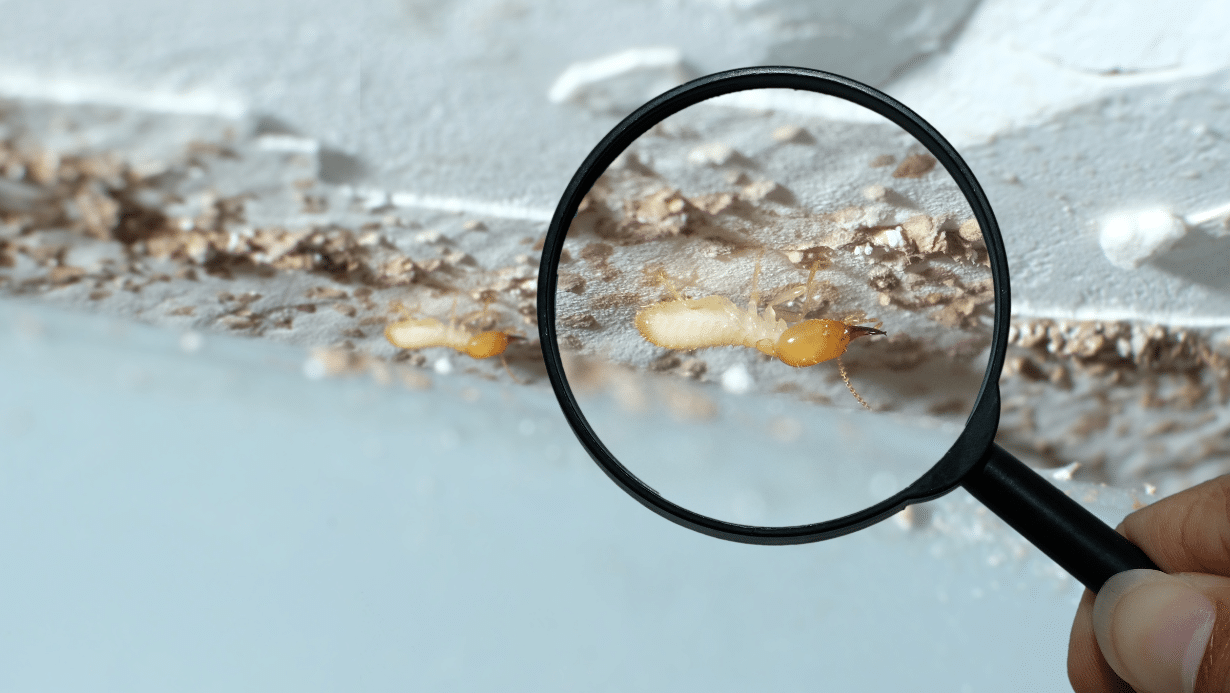
Termites pose a common threat to homeowners on the Sunshine Coast, as they do in many other areas of Queensland. The humid subtropical climate of the region provides the perfect breeding ground for termites, and with over 300 species of termites in Australia, it’s crucial for homeowners to take measures to make their homes termite resistant.
Termite and pest infestations continue to be a major issue for Australian property owners. According to the Australian Environmental Pest Managers Association (AEPMA), termite damage and treatment costs can amount to thousands of dollars per property, with repair costs often becoming significant once structural timber has been affected. Because termite damage is generally not covered by standard home insurance policies, prevention and early detection are extremely important.
Key Takeaways
- Termites are attracted to homes that provide easy access to food, moisture, and shelter.
- Common risk factors include timber debris, excess moisture, poor drainage, poor ventilation, and mulch placed too close to the home.
- Older homes and properties in warm, humid coastal regions can face a higher risk of termite infestation.
- Early signs of termite infestation can include mud tubes, hollow-sounding timber, damaged wood, and discarded termite wings.
- Reducing moisture, improving drainage, and limiting timber-to-ground contact can help reduce termite risk.
- Keeping slab edges and inspection zones visible makes termite activity easier to identify early.
- Professional termite inspections and termite management systems remain some of the most effective ways to detect and reduce termite activity.
Where to find termites?
To understand what attracts termites to a home, it’s important to recognise that like most timber pests, they’re in search of any source of food, water, and shelter. Termites feed on wood, dead trees and other cellulose materials, making things like decaying tree stumps, lumber, firewood, newspaper, cardboard boxes, and untreated fence posts attractive food sources. Homeowners should take care to clean up their yards, declutter around their homes, and ensure that any wood sidings used for framing and fences are treated to avoid attracting termites.

Most species of termites require humidity or moisture to thrive, meaning that excess moisture in a home or property will attract termites. This moisture may stem from leaky pipes or faucets, poor landscaping, faulty gutters or downspouts, or similar issues. Homeowners should address these problems to avoid attracting subterranean termites and other termite species to their homes.
The problem of termites exists in most parts of Australia but is particularly prevalent in warm and humid coastal locations such as the Gold Coast and Sunshine Coast. Heavy rainfall, damp soil conditions, and humid weather can all increase termite activity.
Older homes can also face a higher risk of infestation. Properties built with softwood framing, poor ventilation, low subfloor clearance, or concealed slab edges may provide easier termite access. If you are considering purchasing an older property, arranging a professional pest inspection before purchase is highly recommended.
Properties can also become more attractive to termites when slab edges are concealed, ventilation is poor, or timber elements remain in close contact with soil. These conditions make it easier for termites to move into a building without obvious visible signs. If you want more context around termite risk in modern construction, see our article on concrete slabs and termite myths.
How to spot termites in your home
One common question that homeowners ask is how to tell if termites are present in their homes. Termites can be challenging to spot, but homeowners can look for signs of termite infestation. These can come in form of mud tubes on exterior walls, damaged or hollow-sounding wood, and discarded wings from swarmers. If homeowners suspect a termite infestation, they should contact a professional termite management company to conduct an inspection immediately.
If termites are found in a property, homeowners should not expect them to disappear on their own. Professional termite management is usually necessary to eliminate the infestation and prevent further damage to the property. There are several options for killing termites, including chemical soil treatments and DIY termite baiting systems. The cost of termite protection on the Sunshine Coast can vary depending on the construction methods, size, and layout of a home.

Because termites often work from inside timber or concealed areas, many homeowners do not realise there is a problem until the damage is already advanced. This is one reason why routine inspections matter so much — they can reveal termite activity, previous damage, or conditions conducive to infestation before the issue becomes far more expensive to manage.
Termite prevention systems
A termite prevention system is designed to reduce the likelihood of termites entering and damaging a property. These systems commonly involve a combination of termite barriers, termite management strategies, and ongoing inspections.
There are generally two main forms of termite protection:
- Chemical barriers: These treatments are installed around or beneath a property to help prevent termite entry and are usually applied by licensed termite management professionals.
- Physical barriers: These barriers rely on building materials or systems that help block termite access. Examples can include termite shields, stainless steel mesh systems, and ant caps installed beneath suspended timber floors.
Even with these systems in place, homeowners still play an important role in termite prevention through regular maintenance and monitoring of conditions around the property.
4 ways to reduce termite risk
Reduce wood and cellulose materials
Termites are attracted to wood and cellulose materials, which serve as their primary food source. To effectively reduce the risk of termite infestation, homeowners should take proactive measures to minimise the presence of wood debris. Start by removing any decaying or dead wood from the yard and garden beds, including fallen tree branches, stumps, and old wooden structures. These items create an ideal habitat for termites and can serve as potential entry points into your home.
It’s also important to avoid storing timber, cardboard, paper, or firewood directly on soil areas or against the side of the house. Timber structures attached to the house should ideally be mounted on metal stirrups or otherwise isolated from direct soil contact.
Additionally, it’s essential to store firewood away from the foundation of your house, as piles of wood near your home can attract termites. By practicing proper wood management, you can significantly reduce the likelihood of termite infestations.
Limit access to water and moisture
Termites thrive in moist environments, as they require water for survival. By eliminating excess moisture in and around your home, you can effectively discourage termites from infesting your property. Start by inspecting your yard for any sources of water accumulation, such as leaky pipes, faucets, or irrigation systems. Repair any leaks promptly and ensure that all plumbing fixtures are in good working condition.
Pay close attention to areas with poor drainage, as they can create waterlogged conditions that are highly attractive to termites. Additionally, it’s important to maintain clear gutters and downspouts to ensure that rainwater is effectively directed away from your home’s foundation.
Moisture issues inside the home matter too. Bathrooms, laundries, kitchens, subfloors and roof voids can all create ideal conditions for termite activity if leaks or condensation are left unresolved. If moisture is a recurring issue, this guide may also help: Why have a moisture & mould inspection?
If your property has a subfloor area, make sure it remains dry and well ventilated. Poor subfloor ventilation and damp conditions can increase the likelihood of both termite activity and timber decay.
Mulch carefully
Wood mulch can provide several benefits to landscaping, such as conserving moisture, suppressing weed growth, and enhancing the aesthetic appeal of gardens. However, when used improperly, mulch can also attract termites.
To mitigate this risk, homeowners should exercise caution when applying mulch around the foundation of their homes. Ideally, the mulch should be placed at least 15 inches away from the foundation to create a hard-to-cross barrier. This distance helps minimize the chances of termites finding their way into your home through the mulch.
Alternatively, you can consider using non-organic mulch materials, such as rocks or rubber, which are less appealing to termites. These materials provide the desired benefits of mulch while reducing the risk of termite infestation.
Keep inspection zones visible
Another practical way to reduce termite risk is to keep critical inspection zones visible. Avoid piling soil, mulch, pavers, or garden beds against external walls or concealing slab edges. Clear visibility makes it easier to detect termite activity early and helps inspectors identify mud tubes, moisture issues, or other warning signs during a professional assessment.
Where possible, homeowners should also clear obstacles from subfloor areas and concealed voids so termite activity can be identified quickly. Restricted access areas may hide termite damage or allow infestations to continue unnoticed.

When should you book a termite inspection?
Even if you don’t currently see obvious signs of termite activity, there are times when booking an inspection makes particular sense. For example, you may want an inspection if:
- You’ve noticed mud tubes, damaged timber, or hollow-sounding wood.
- Your property has recently experienced moisture issues or storm-related water ingress.
- You’re buying or selling a home and want to understand any termite risks before proceeding.
- Your property has not been professionally inspected for some time.
- You live in an area where termite activity is common and want peace of mind.
- You have recently completed repairs after a previous termite infestation.
- You own an older home with timber framing or suspended timber flooring.
If you’re not sure what a termite and pest inspection typically covers, you can read more here: Pest & Termite Inspections.
Contact the professionals
Approximately one in three homes will be affected by termites at some point. This makes it crucial for homeowners to take proactive steps to protect their homes.
By following these simple guidelines and keeping up with regular inspections, homeowners can help prevent termite invasions and catch potential problems early on. If homeowners do experience a termite infestation, they should contact a professional pest control company like Inspect My Home.
Aside from carrying out a thorough inspection of your property, Inspect My Home can also assist with termite management recommendations to help reduce the likelihood of future termite infestations.
Call us at 1300 337 447 or fill out our online booking form to schedule a building inspection. You can also view our inspection prices page for an approximate idea of the cost.
Frequently Asked Questions
What causes termite infestation in a home?
Termite infestation usually occurs when a property provides easy access to food, moisture, and shelter. Common risk factors include timber debris, poor drainage, moisture problems, concealed slab edges, and timber-to-ground contact.
How do I know if I have a termite infestation?
Common signs include mud tubes on walls or foundations, hollow-sounding timber, damaged wood, and discarded wings from swarmers. Because termites often work in concealed areas, many infestations are only identified through professional inspection.
Can moisture problems make termite infestation more likely?
Yes. Termites thrive in damp environments, so leaking pipes, faulty gutters, poor drainage, excessive humidity, and damp subfloors can all make a property more attractive to termites.
Does mulch attract termites?
Wood mulch can increase termite risk when placed too close to the home because it helps retain moisture and may provide a bridge toward the structure. Keeping mulch away from foundations reduces this risk.
What is a termite prevention system?
A termite prevention system may involve chemical barriers, physical barriers, and ongoing property maintenance designed to reduce the likelihood of termite entry and infestation.
Will termites go away on their own?
No. If termites are active in a property, homeowners should not expect them to disappear without treatment. Professional termite management is usually required to control the infestation and reduce further damage.
How often should I have a termite inspection?
Regular inspections are one of the best ways to catch termite activity early. The right frequency depends on the age, location, and risk profile of the property, but ongoing inspections are especially important in high-risk environments such as many parts of Queensland.
