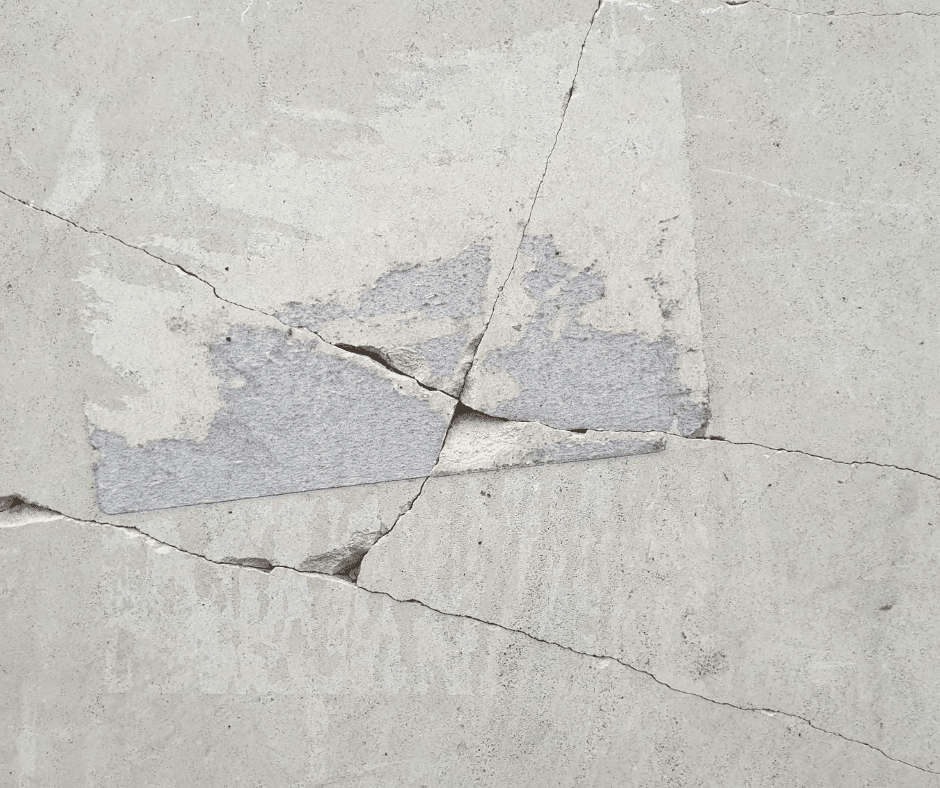
Ceiling cracks are a common concern in many homes. While most are cosmetic and easy to fix, some may indicate serious structural issues that could compromise your property’s safety and value. Understanding the causes, types, and warning signs of ceiling cracks is essential for homeowners, prospective buyers, and property investors in Queensland.
In this guide, we cover everything you need to know about ceiling cracking in homes, including cosmetic versus structural cracks, common causes, repair considerations, and when to call a professional inspector.
Key Takeaways
- Not all ceiling cracks are serious; many are minor cosmetic issues and harmless.
- Hairline cracks or minor undulations are typically normal due to building settlement or plaster/paint shrinkage.
- Cracks that extend down walls, are accompanied by sagging, or are discoloured (yellow/brown) can indicate structural damage or water penetration.
- Multiple cracks, gaps at ceiling-wall junctions, or signs of uneven floors, sticking doors, or stair-step masonry may point to foundation issues.
- Even minor cracks should be monitored over time for changes.
- A professional building inspection can separate minor issues from structural cracks and recommend appropriate repairs.
Common Causes of Ceiling Cracks
Ceiling cracks can occur for a variety of reasons. While some are harmless, others can signal serious underlying issues. Understanding the cause helps determine the urgency of repairs.
Aging
As buildings age, natural settling and general wear and tear can cause minor ceiling cracks. These are usually cosmetic and can appear in walls and floors as well. Small, thin cracks are typical in older homes and often do not require immediate attention.
Foundation Settling
One of the most common structural causes of ceiling cracks is foundation movement. As a home’s foundation settles or shifts over time, it places stress on walls and ceilings, often causing cracks that extend from the ceiling down the walls or appear in stair-step patterns across brickwork. Other signs of foundation settling include sticking doors or windows, uneven floors, and gaps at ceiling-wall junctions. Prompt assessment by a licensed building inspector is essential to prevent long-term structural damage and costly repairs.
Expansion and Contraction
Hairline cracks often appear at stress points, such as where a large lounge room adjoins a narrow hallway. Ceiling control joints are sometimes installed to manage this natural movement. Typically, these cracks are cosmetic and can be repaired with simple patching or repainting. However, excessive cracking at these points may indicate house subsidence or roof/joist deflection. In such cases, a professional building inspection is needed.
Structural Issues
Significant ceiling cracks can arise from foundation movement, roof or ceiling joist deflection, or poorly constructed ceilings. Structural cracks often require urgent professional assessment, especially when paired with sagging or cracks extending down walls.
Moisture or Water Damage
Water penetration from broken roof tiles, poor flashing, or leaking pipes can cause discolouration, ceiling deformation, and in extreme cases, ceiling collapse. Water-damaged ceilings must be investigated immediately to prevent further structural damage.
Substandard Construction
Poorly installed drywall, insufficient plaster, or missing back blocking can contribute to cracks and ceiling undulation. Back blocking provides additional support at plasterboard joints and minimises ceiling deflection. Without it, sagging or humps may appear.
Heavy Loads on Upper Floors
Excessive weight above a ceiling, such as heavy bathtubs, storage, or large furniture, can stress ceiling linings and lead to cracks or sagging. Monitoring these areas is important to ensure safety.
Types of Ceiling Cracks
Small Hairline Cracks
These are thin, spiderweb-like cracks in plaster or paint, usually caused by settlement, temperature, or humidity changes. They are typically cosmetic and require only monitoring or minor patching.
Straight Cracks Along Joints
Cracks that follow natural drywall joints are often due to poor workmanship during installation. These are usually cosmetic and can be repaired by a drywall contractor.
Cracks Extending Down Walls
Cracks that start on the ceiling and travel down walls may indicate structural damage, foundation movement, or roof/joist issues. These should be inspected immediately.
Cracks Paired with Sagging
Ceiling cracks that appear alongside sagging or detachment are serious structural concerns. Immediate professional evaluation is recommended.
Discoloured Cracks (Yellow/Brown)
Discolouration usually signals water damage. Left unaddressed, it may lead to structural deterioration. Investigate and repair the water source before fixing the ceiling.
Spiderweb Cracks
Small spiderweb patterns are typically cosmetic, while larger spiderweb formations may indicate foundation movement or structural instability. Professional assessment is advised.
Large or Deep Cracks
Deep or continuous cracks almost always point to structural damage. Urgent inspection and remediation are required.
Cosmetic vs Structural Cracks
Cosmetic Cracks:
- Hairline cracks, minor undulations, popped screws, and slight cornice cracks
- Usually harmless and can be repaired with patching or repainting
Structural Cracks:
- Cracks that run down walls (wall cracks), paired with sagging, water-related damage, or ceiling detachment
- Require monitoring and urgent professional assessment
Knowing the difference helps prevent unnecessary worry while ensuring safety. To learn more about cracks, please read our article: Cracks in Walls: When to Worry

Repair Considerations
Knowing how to address ceiling cracks depends on their type and underlying cause. Proper repair not only restores the appearance of your ceiling but also ensures the safety and structural integrity of your home.
- Cosmetic cracks: Minor patching, plaster repair, sanding, and repainting are usually sufficient.
- Structural cracks: Must be evaluated by a licensed professional.
- Moisture-related cracks: Identify and fix the water source before repairing the ceiling.
- Monitoring: Even minor cracks should be watched over time to catch changes early.
- Foundation-related cracks: Solutions may include underpinning with helical or push piers, followed by synchronised lifting to stabilise the structure.
Warning Signs of Serious Damage
While many ceiling cracks are minor, certain patterns or accompanying symptoms can indicate deeper structural issues. Homeowners should pay attention to how they interact with other elements of the home’s structure. Observing the following warning signs can help identify problems before they escalate:
- Cracks that extend down walls: When a ceiling crack continues onto a wall, it may indicate foundation movement or uneven settling.
- Sagging ceilings: Any drooping or bowing in the ceiling can signal compromised joists, trusses, or structural support.
- Multiple cracks in the same area: Several cracks clustered together can point to concentrated stress or material failure.
- Gaps at ceiling-wall junctions: Separation between the ceiling and walls is often a sign of differential settlement or shifting roof trusses.
- Uneven, sloping, or sagging floors: Structural movement often manifests in floors before more visible cracks appear.
- Doors and windows that stick: Misaligned doors or windows can indicate shifting frames caused by foundation movement.
- Cracked or bowed walls: Visible wall damage often accompanies serious ceiling issues.
- Stair-step masonry cracks: These cracks in brickwork or block walls often reflect foundational movement.
- Walls, porches, or chimneys separating: Disconnected structural elements are a clear sign that a professional inspection is needed.
- Water in basements or underfloor areas: Moisture accumulation can exacerbate cracking and weaken structural integrity.
When assessing risk, also consider the property’s age, maintenance history, and recent environmental factors such as heavy rainfall, drought, or nearby construction. These elements can contribute to cracking even in otherwise sound homes.
Practical Tips for Homeowners
Keeping on top of ceiling cracks can prevent minor issues from becoming costly structural problems. By staying observant and taking early action, homeowners and buyers can protect both safety and property value.
Monitor Cracks Regularly
Check cracks over time for changes in size or direction to catch potential issues early. Photos or measurements can help track progression.
Address Water Leaks Immediately
Even small leaks can worsen cracks and damage ceilings or structural elements. Fix leaks promptly to prevent long-term problems.
Document Cracks Before Repairs or Sale
Take photos and notes of cracks before repairing or selling your home. This helps track changes, supports inspections, and informs repairs.
Seek Professional Advice for Serious Cracks
Large, deep, or multiple cracks may indicate structural issues. A licensed inspector can assess the risk and recommend the right remediation.
When to Call a Professional Inspector
Even seemingly minor cracks may require professional evaluation if accompanied by any of the warning signs above. In particular, homeowners should contact a licensed building inspector when they notice:
- Cracks beyond minor hairline size or that appear suddenly
- Cracks accompanied by sagging, discolouration, or extending down walls
- Multiple cracks or gaps at the ceiling-wall junctions
- Situations where a pre-purchase inspection is being conducted to uncover hidden issues before buying
Inspect My Home’s licensed inspectors provide thorough interior assessments, including detailed photographic documentation and expert recommendations, ensuring homeowners and buyers can make informed decisions about their property. You can view our sample reports here.
Contact Inspect My Home
Small cracks in ceilings or walls may seem harmless, but ignoring them can lead to more serious structural issues, safety risks, and potential loss of property value.
Expert assessment from Inspect My Home ensures the true cause and severity of cracks are accurately identified. Our professional inspection reports provide clear recommendations so you can take the right actions with confidence.
Protect your home and call Inspect My Home today on 1300 337 447 to book an inspection and address minor cracks before they become major problems.
FAQs
Are all ceiling cracks a sign of serious damage?
No. Many ceiling cracks are purely cosmetic, caused by natural settling, plaster shrinkage, or temperature changes. These minor cracks often pose no structural risk and can be easily repaired with basic maintenance. However, it’s important to monitor them to ensure they don’t worsen over time.
When should I call a professional to inspect ceiling cracks?
You should contact a professional if cracks are large, extend down walls, are paired with sagging, or show signs of water damage. These can indicate structural issues or ongoing leaks that require expert assessment.
Can ceiling cracks be fixed with DIY methods?
Minor hairline cracks can often be patched and painted without professional help. However, structural cracks, moisture-related damage, or recurring cracks need professional intervention to ensure safety and prevent future problems.
What causes ceiling cracks in older homes?
In older homes, cracks commonly result from natural settlement over time, aging building materials, and normal structural movement. Changes in humidity, temperature, and minor foundation shifts can also contribute.
How can moisture damage affect my ceiling?
Moisture damage can lead to discolouration, staining, and deformation of ceiling materials. Over time, untreated water damage can weaken structural elements, leading to sagging or even collapse.
Do ceiling cracks affect home value?
Yes, cracks can impact a home’s value, especially if they are structural or related to water damage. Cosmetic cracks generally have minimal effect, but buyers may still be wary if cracks are visible. Professional building inspections and repairs can reassure buyers and protect your property value
