translating-reports

Translating Building & Pest Inspection Reports

Building and pest inspection reports are designed to be clear, but the terminology used can still feel confusing — especially if you’re reading one for the first time. Words like average, minor defect or major defect can sound alarming without proper context.

This guide explains the most common building report terms, what they actually mean, and how inspectors use them, so you can confidently interpret your report and make informed decisions.

Continue reading “Translating Building & Pest Inspection Reports”
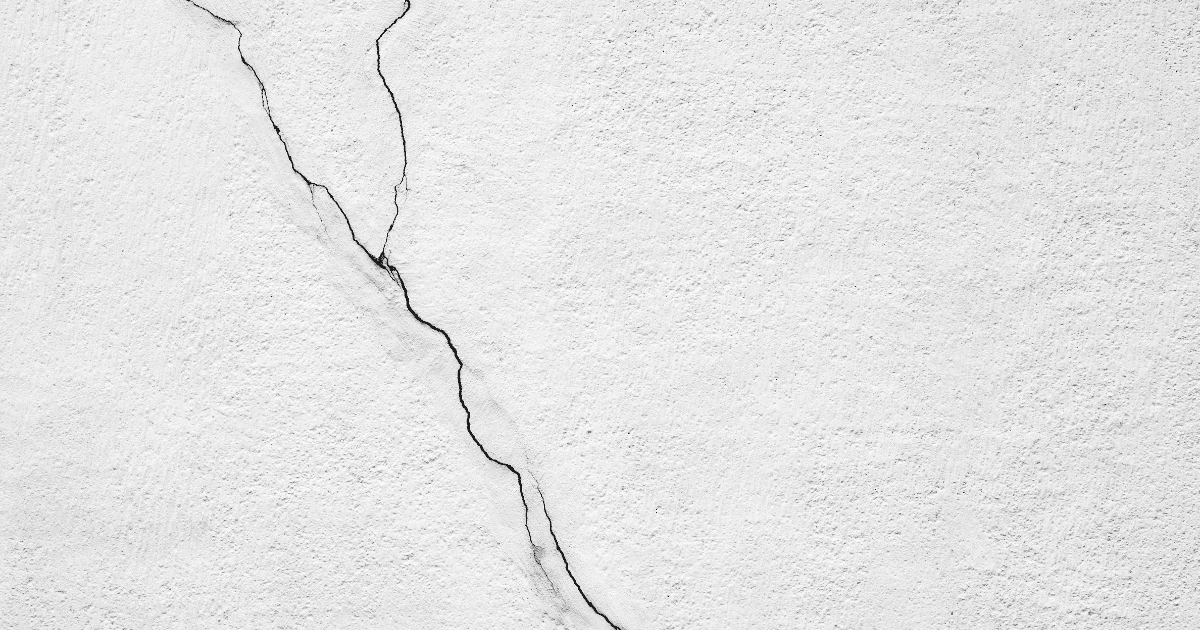
vertical crack in wall

Cracks in Walls: When to Worry

Cracks in walls are common in many homes — but not all cracks mean there’s a serious structural problem. Some are cosmetic and easy to fix, while others can indicate foundation movement, subsidence, termite damage or structural failure.

The key is understanding which cracks are harmless and which ones need urgent attention. Size, location, pattern and movement all matter. In this guide, we explain the different types of wall cracks, what causes them, when to worry, and when it’s time to seek professional advice.

Continue reading “Cracks in Walls: When to Worry”
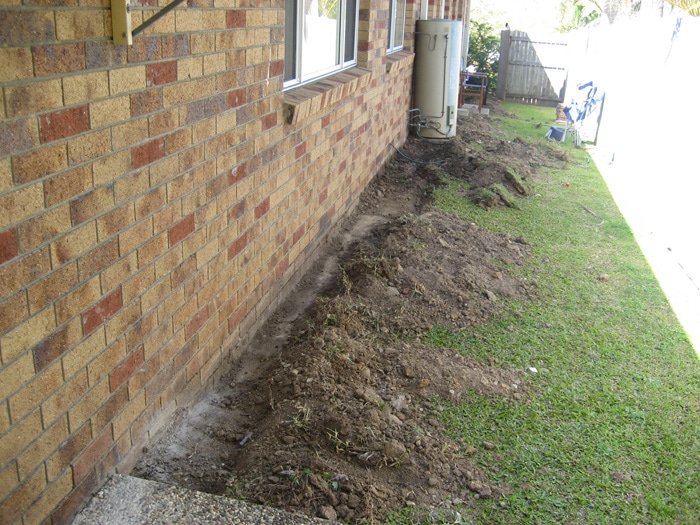
Trench to extenal wall awaiting chemical to be applied to footings

Concrete Slabs & Termite Myths

Many homeowners assume that a concrete slab home is protected from termites. After all, concrete isn’t wood — so termites can’t eat it, right? Unfortunately, this is a common termite myth. While termites don’t damage concrete itself, concrete slabs do not prevent termites from accessing a home.

In fact, many modern brick homes built on concrete slabs remain vulnerable to termite attack if access points are present. If you’re buying a home built on a concrete slab, a professional building and pest inspection is essential to confirm whether termites have gained access — or could gain access — to the structure.

Continue reading “Concrete Slabs & Termite Myths”
subfloor void

Common Defects Found in Subfloors (and how to fix them)

Soft or uneven floors, squeaking boards, or a musty smell can all point to problems beneath your home. The subfloor plays a critical role in supporting the structure above it, and when defects develop, they can lead to safety risks, costly repairs and long-term damage.

Common subfloor defects include termites, moisture issues, poor ventilation, movement and structural deterioration. Because this area is hidden from view, problems often go unnoticed until they become severe.

In this guide, we explain what the subfloor and subfloor void are, why inspectors need access to this area, and the most common subfloor defects — including how to identify, fix and prevent them.

Continue reading “Common Defects Found in Subfloors (and how to fix them)”
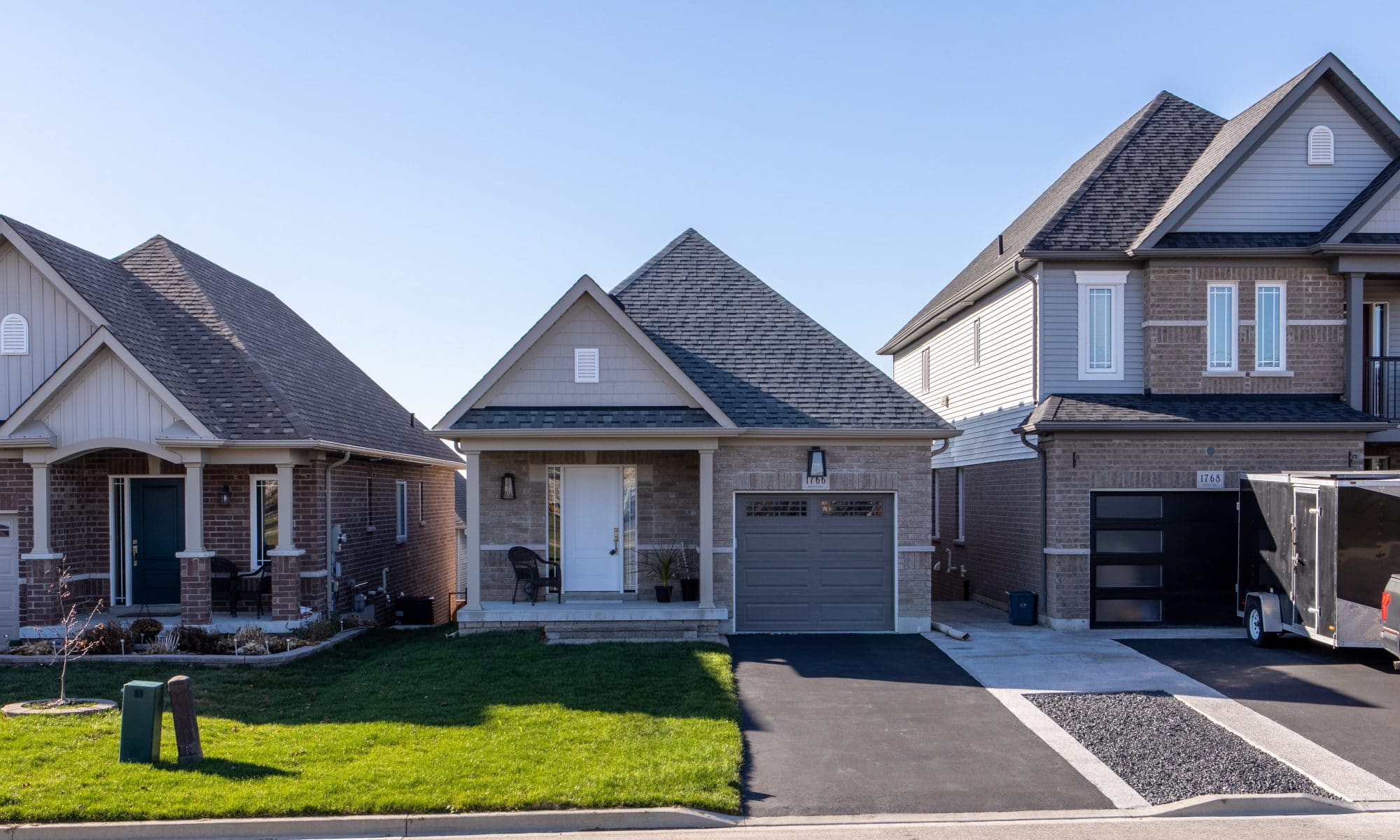
New home inspection

Do I Need A Building Inspection On A New Property?

When buying a brand-new home, many buyers assume that “new” automatically means “perfect.” There is no wear and tear, no previous owners, and everything looks fresh. Many buyers believe that if the house has passed council inspections, there is nothing to worry about.

The reality is very different. Even newly built homes can have defects, some obvious, some hidden, and some that may only become apparent months or years after moving in. From minor cosmetic flaws to serious structural problems, issues can arise due to rushed workmanship, substandard materials, or oversight during construction.

Continue reading “Do I Need A Building Inspection On A New Property?”
Retaining wall

Retaining Wall Failure: The Essential Guide for Australian Homeowners and Buyers

A retaining wall might seem like a simple backyard fixture, but it holds back more than just soil; it holds back significant liability. 

Retaining walls are a common feature in Australian homes, especially in hilly suburbs, coastal regions, and new subdivisions where blocks are often tiered to maximise usable land.

But when they fail, the consequences can be severe, ranging from soil collapse and structural instability to costly legal disputes with neighbours. That’s why identifying the early warning signs and understanding the causes of retaining wall failure is crucial, particularly if you’re buying a property.

If you are unsure of the integrity of your retaining wall, book in for a building inspection today.

Continue reading “Retaining Wall Failure: The Essential Guide for Australian Homeowners and Buyers”

Dilapidation Reports in Construction

The construction boom is transforming Australian cities, but with progress comes potential risk. Nearby construction projects, with their heavy machinery and constant activity, can threaten neighbouring properties.

Fortunately, there’s a powerful tool available to provide evidence if there is any dispute over potential damage : the dilapidation report.

Continue reading “Dilapidation Reports in Construction”

Pre-Settlement Inspections: What Are They and Why Are They Important?

Before finalising the purchase of a property, it is crucial to conduct a pre-settlement inspection. This inspection ensures that the property is in the expected condition. By thoroughly examining the property before settlement, buyers can verify that any agreed-upon repairs and conditions have been met.

In this article, we will discuss the importance of pre-settlement inspections and provide a comprehensive checklist of things to look out for during the inspection.

Continue reading “Pre-Settlement Inspections: What Are They and Why Are They Important?”