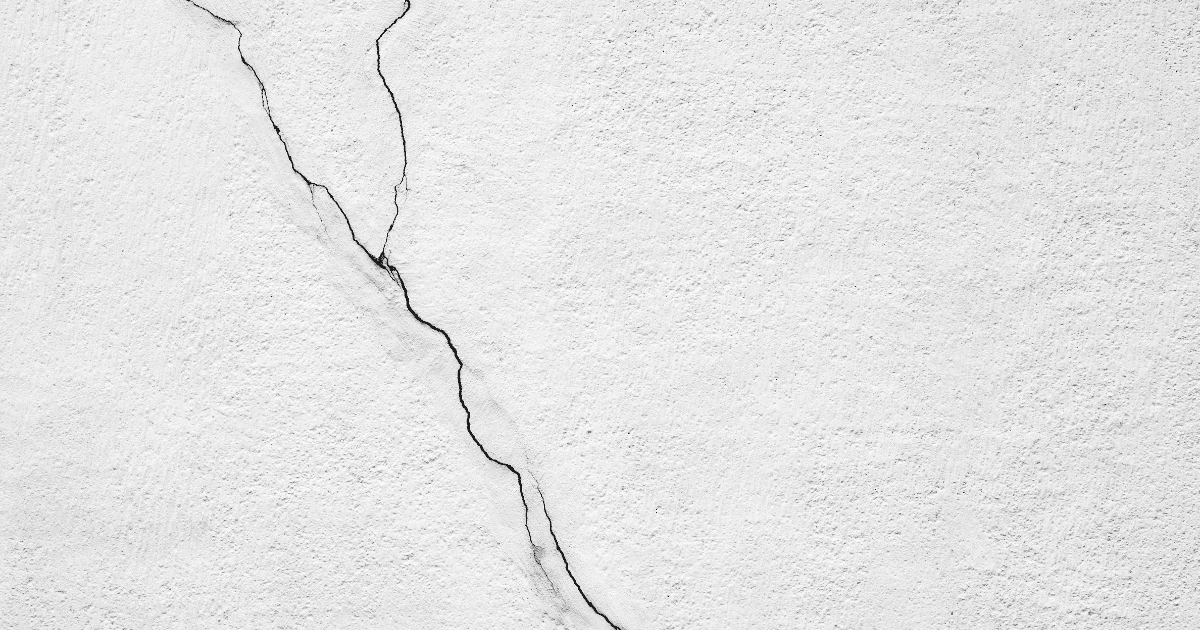
Cracks in walls are common in many homes — but not all cracks mean there’s a serious structural problem. Some are cosmetic and easy to fix, while others can indicate foundation movement, subsidence, termite damage or structural failure.
The key is understanding which cracks are harmless and which ones need urgent attention. Size, location, pattern and movement all matter. In this guide, we explain the different types of wall cracks, what causes them, when to worry, and when it’s time to seek professional advice.
Key Takeaways
- Not all wall cracks are serious, but some indicate structural movement.
- Cracks wider than 5mm, stepped cracks, or cracks that worsen over time should be investigated.
- Diagonal or staircase-pattern cracks are among the most concerning.
- Doors and windows sticking can signal underlying foundation issues.
- Cosmetic cracks are common; structural cracks require professional assessment.
- A building inspection can help determine the cause, severity and appropriate repair path.
When should you worry about cracks in walls?
You should be concerned about wall cracks if they are:
- Wider than 5mm, growing over time, or appearing suddenly
- Diagonal or stepped (staircase-pattern) cracks in brickwork
- Accompanied by sticking doors or windows
- Appearing in multiple locations throughout the home
- Combined with uneven or sinking floors
Hairline cracks in plaster are usually cosmetic, but larger or progressive cracks should always be assessed by a professional.
Types of Cracks in Walls
Multiple, Large Cracks: Hairline horizontal cracks or superficial cracks are less concerning compared to multiple, large cracks. If you notice several significant cracks, whether vertically, horizontally, or ‘stepped,’ it often signals a foundation subsidence issue requiring immediate attention. Larger cracks wider than 5mm should always be examined by a professional.
Doors and Window cracks: Difficulty in opening or closing doors and windows could indicate foundation issues. Additionally, hairline cracks around these openings might signal subsidence that requires remediation.
Vertical Cracks: Vertical cracks commonly appear in newly plastered walls as the plaster dries and settles, especially in new properties. Avoid immediate filing or repainting as more cracks may emerge. It’s advisable to wait until the plaster fully dries before taking action. However, if these cracks exceed 25mm, it could indicate a more severe underlying issue requiring immediate attention.
Diagonal Cracks: Diagonal cracks or jagged cracks resembling a staircase pattern on your wall should not be overlooked. These cracks often stem from structural movement and might indicate significant problems. Seeking expert assessment is crucial as they could signal hidden issues requiring immediate attention.
Cosmetic cracks vs structural cracks
- Cosmetic cracks are usually thin, shallow and stable. They commonly occur due to plaster shrinkage, minor settlement or temperature changes.
- Structural cracks are wider, deeper, irregular, or continue to grow. They are often linked to movement in the foundations, footings or load-bearing elements.
Knowing the difference helps homeowners avoid unnecessary worry — or missing a serious issue.
Also read: How to Identify Minor and Major Structural Defects

Causes of Cracks in Walls
Understanding this diverse range of factors that can contribute to wall cracks is essential for homeowners.
Construction and Earthworks
Proximity to ongoing construction, heavy machinery, or earthworks, such as road extensions, can cause ground vibrations leading to wall cracking. In areas prone to seismic activity, tremors or earthquakes can cause substantial structural movement, resulting in visible wall cracks.
Soil and Environmental Factors
Extreme changes in climate, including prolonged periods of drought followed by heavy rainfall, can cause clay soil to shrink and expand, exerting pressure on the structure and potentially leading to cracking. Water damage can stem from various sources such as clogged gutters, flooding, garden sprinklers, as well as blocked or leaking pipes. These issues can result in wall cracks and have the potential to saturate or even erode the soil.
Properties built on reactive soils, like clay, can experience substantial movement as these soils expand when moist and contract when dry. Inadequate drainage leading to water accumulation around the property can also contribute to soil instability and subsequent wall cracks.
Vacant Homes
Is your home frequently empty—maybe a vacation spot, rental, or a property that took a while to sell? If so, cracks in walls and ceilings might start showing up. Homes need consistent climate control to keep drywall intact. When left vacant, lack of control leads to drywall cracks. For minor cracks, retape and repaint. But for long-term vacancies, a thorough inspection, including the foundation by a professional, is wise.
Structural Issues and Poor Maintenance
Improperly compacted or settled foundations over time can cause shifts in the structure, leading to visible cracks in walls. Minor settling is common, but significant subsidence can compromise the integrity of the property.Faulty building materials, under-engineered footings, or flawed construction practices may contribute to the emergence of wall cracks.
Termite Damage
Damage caused by termites, foundation settling, and issues with plumbing represent frequent reasons we encounter.
Termites sustain themselves by consuming wood, leading to visible cracks in ceilings and walls during an infestation. These fissures typically manifest on wooden beams or boards close to ground level, as well as the beams situated amidst roof rafters.
Also read: Three Ways to Reduce Your Risk of Termite Infestation
Natural Causes and Tree Impact
Trees planted too close to the property can exert pressure on the foundation, extracting moisture from the soil and causing it to shrink, potentially leading to cracks. Removing large trees nearby might also destabilise the soil and cause settlement.
Severe storms, high winds, or hail can directly impact the structure, causing damage that may lead to cracks, especially if not promptly addressed.

Will My Building Insurance Cover Cracks?
In most cases, cosmetic cracking caused by settlement, plaster drying or general wear and tear is not covered by building insurance. However, cracks resulting from sudden events — such as water damage from a burst pipe — may be claimable under specific policy clauses like “escape of water.”
Subsidence claims could result in increased premiums and difficulty in obtaining future home insurance.
Contact Inspect My Home and Book an Inspection
Ignoring serious cracks can lead to exacerbation of structural issues, potentially decreasing property value and posing safety risks.
Seeking professional guidance from experts like Inspect My Home is recommended to accurately diagnose the cause and severity of cracks. Professional building inspection reports help in determining the appropriate remedial actions to ensure the structural integrity and safety of your property.
Don’t let cracks compromise your home’s safety or value. Contact Inspect My Home today by calling 1300 337 447 for expert guidance on addressing minor cracking before they escalate into larger structural issues.
Frequently Asked Questions
Are cracks in walls normal?
Yes. Many homes develop minor cracks due to settlement, plaster drying or temperature changes. These are usually cosmetic.
What size wall crack is serious?
Cracks wider than 5mm, cracks that grow over time, or stepped cracks in brickwork should be assessed by a professional.
Do cracks always mean subsidence?
No. While some cracks indicate subsidence, others are caused by moisture, poor drainage, termites or construction-related factors.
Should I get a building inspection for wall cracks?
Yes. A building inspection can determine whether cracks are cosmetic or structural and recommend appropriate action.
