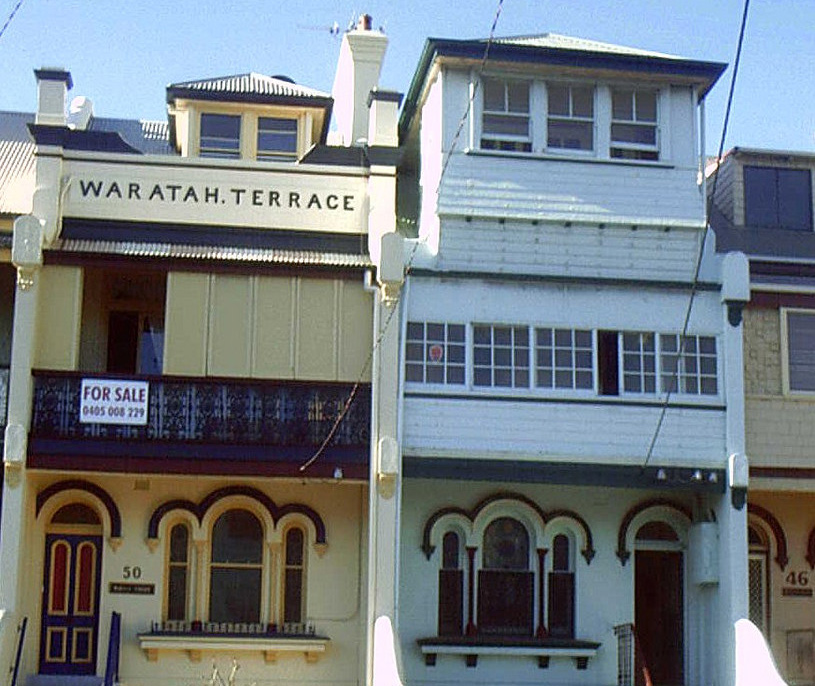
Suburbs bordering Newcastle CBD like Newcastle East, The Hill and Cooks Hill are home to a fine collection of Victorian terrace houses. These three and two-storey terrace houses are a powerful reminder of Newcastle’s rich history and much work has gone into maintaining their integrity.
Key Takeaways
- Victorian terrace houses in Newcastle are historically significant but often come with age-related structural and maintenance challenges.
- Common issues include damp, roofing deterioration, foundation problems, and structural movement between adjoining terraces.
- Poor ventilation and restricted subfloor access can increase the risk of timber pests and moisture damage.
- Older construction materials may include hazardous substances such as lead paint or asbestos.
- A professional building and pest inspection helps identify existing damage and potential risks before purchasing a historic terrace home.
There are common problems found in Victorian terrace houses and using an experienced inspector that knows the area is incredibly important. Only the buyer can weigh up whether these issues outshine the incredibly rewarding feeling that goes into owning a part of Newcastle’s history. In order to make that decision, a Building and Pest Inspection is vital.
Structural Problems
If you’ve decided to purchase a terrace house, you must be aware that you’ll also be sharing a wall or two. It’s important to be aware of any structural problems with your neighbouring terraces as their problem may affect you over time.
Damp
Damp is a common problem with many older homes but due to the lack of ventilation and heat circulation in terraces, the problem is often amplified. Damp can enter from the ground up or from the roof down and can cause mould to flourish, mortar to crumble, render to fall off and structural timbers to rot. These rotting timbers often attract pests so a Building and Pest inspection are necessary before buying a terrace house.
Verandahs
A cast-iron verandah is a lovely accompaniment to any terrace, however, they tend to be on the heavy side and after many years of putting pressure on load-bearing structures, they can become unusable.
Roofing Issues
Crumbling chimneys and soot build up in fireplaces and roofs becomes more of an issue in terrace houses as they are often more difficult to maintain than a detached house. The older galvanised iron roofs found on terrace houses can also prove a problem as they rust and cause leakages.
Foundation Issues
Terrace houses are typically built low to the ground which can cause quite a few problems, allowing access to the subfloor is just one of them. Pests like termites and wood borers are often attracted to the areas below terrace houses as ventilation is poor down there. It’s important to know what you’re dealing with by having a Pest and Building Inspection as you’ll need to be aware of any damage that has occurred.
Building Materials
Homes were built back in 1890 using much different products and methods than our houses today. The Victorians often used lead paints and arsenic was used for wood stains. You can also imagine that your old home has had many faces so it is good to be aware of any newer introduced building materials like asbestos.
These historic homes are now over 120 years old so it is incredibly important to be aware of past damage and also gain an understanding of how the building has been looked after overtime. If you want a period home with all the charming trimmings a Building and Pest Inspection is a must.
Before Buying a Newcastle Terrace House
Buying a historic terrace home can be incredibly rewarding, but it also requires careful due diligence. Many structural or moisture-related issues may not be visible during an open inspection. A professional building and pest inspection can help identify hidden problems such as structural movement, timber pest activity, roof leaks, or deteriorating building materials.
If you’re considering purchasing a terrace property in Newcastle, arranging a professional inspection can provide valuable insight into the condition of the property before you commit to the purchase. Our experienced inspectors understand the common issues found in older terrace homes and can help you make a more informed decision.
You can contact our team to discuss your property or book a building and pest inspection online to ensure your investment is protected.
Frequently Asked Questions
What problems are common in Newcastle terrace houses?
Common problems include dampness, structural movement between adjoining terraces, roofing deterioration, foundation issues, and poor subfloor ventilation. Because these homes are often over a century old, age-related wear and maintenance history can significantly affect their condition.
Why is damp common in Victorian terrace homes?
Terrace houses often have limited ventilation and closely shared walls, which can trap moisture. Damp can rise from the ground or enter through roofing defects, leading to mould growth, mortar deterioration, and timber rot.
Are terrace houses more prone to structural issues?
They can be. Because terraces share structural walls with neighbouring properties, movement or damage in one property may affect adjoining buildings over time. This is why structural inspections are particularly important when buying terrace homes.
Do older terrace homes contain hazardous building materials?
Yes. Some historic homes may contain materials such as lead-based paint, arsenic-treated timber, or asbestos introduced during later renovations. Identifying these materials is important for safe maintenance and renovation planning.
Can pests affect terrace houses?
Yes. Poor ventilation in subfloor areas and aging timber structures can create conditions conducive to termites and wood borers. A building and pest inspection helps identify evidence of pest activity or conditions that may attract pests.
Should I get a building and pest inspection before buying a terrace house?
Absolutely. An inspection provides an independent assessment of the property’s condition, helping buyers understand structural issues, pest risks, and maintenance requirements before completing the purchase.
Photo by Michael Coghlan
